Whisk_bfdba7c80f1d193bef24272e440bb4c6dr
Updated: April 8, 2026
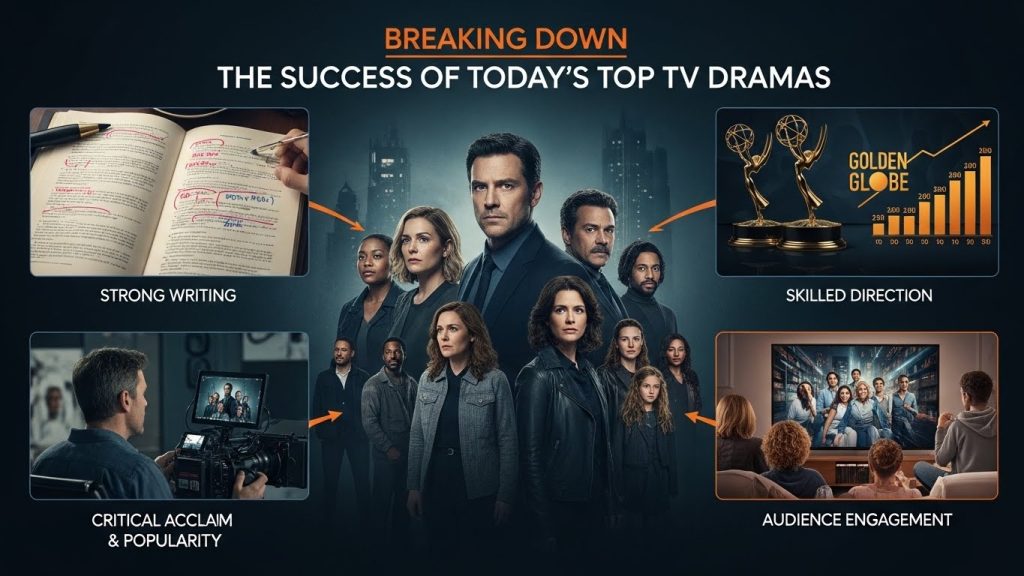
Breaking Down the Success of Today’s Top TV Dramas
In an era where streaming platforms dominate the entertainment landscape, TV dramas have reached unprecedented heights of popularity and critical acclaim. From the gritty streets of Baltimore in “The Wire” to the fantastical realms of “Game of Thrones,” today’s TV dramas captivate audiences with their intricate storytelling, complex characters, and high production values. But what exactly drives the success of these shows? In this article, we delve into the key factors contributing to the triumph of contemporary TV dramas.
The Power of Storytelling
At the heart of any successful TV drama lies its storytelling prowess. Modern audiences are drawn to narratives that are both engaging and emotionally resonant. TV dramas like “Breaking Bad” and “The Sopranos” have set the benchmark for compelling storytelling, weaving intricate plots that keep viewers on the edge of their seats.
One of the hallmarks of these stories is their unpredictability. Writers have mastered the art of crafting plot twists that not only shock but also make sense within the story’s context. This kind of narrative intricacy encourages viewers to pay attention to every detail, fostering a deeper connection with the show.
Moreover, today’s TV dramas excel in character development. Characters are no longer one-dimensional but are instead portrayed with depth and nuance. Shows like “Mad Men” and “The Crown” showcase characters that evolve over time, often reflecting the complexities of real life. These characters’ journeys resonate with viewers, inviting them to invest emotionally in the narrative.
High Production Values

The production quality of TV dramas has seen a significant evolution over the past few decades. With budgets rivaling those of Hollywood films, modern TV dramas boast stunning cinematography, top-notch special effects, and meticulously crafted sets.
Series like “Stranger Things” and “Westworld” leverage state-of-the-art technology to create immersive worlds that captivate audiences. The attention to detail in set design, combined with innovative visual effects, allows viewers to lose themselves in the story, enhancing the overall viewing experience.
Additionally, the incorporation of high-caliber acting talent has further elevated TV dramas. Many acclaimed film actors have made the transition to television, drawn by the opportunity to explore complex characters over multiple seasons. This influx of talent has raised the bar for performances, contributing to the shows’ overall success.
The Role of Streaming Services
The rise of streaming platforms like Netflix, Amazon Prime, and Hulu has revolutionized the way audiences consume TV dramas. These platforms offer unparalleled convenience, allowing viewers to watch their favorite shows anytime, anywhere. The ability to binge-watch entire seasons has also changed the way stories are told, encouraging more serialized narratives that unfold over several episodes.
Streaming services have also contributed to the diversification of content. With less reliance on traditional network ratings, creators have more freedom to explore niche topics and unconventional storytelling techniques. This has led to a surge in diverse and innovative TV dramas that cater to a wide range of tastes and preferences.
Additionally, streaming services have become a global platform for TV dramas. Shows like “Money Heist” and “Dark” have gained international acclaim, showcasing the universal appeal of well-crafted narratives. This global reach has allowed TV dramas to transcend cultural boundaries, appealing to a broader audience.
Audience Engagement and Social Media
In today’s digital age, audience engagement extends beyond the screen. Social media platforms like Twitter, Instagram, and Reddit have become integral to the TV drama experience. Viewers can share their thoughts, theories, and reactions in real-time, creating a sense of community around their favorite shows.
This level of engagement has proven beneficial for TV dramas. It generates buzz and keeps the conversation going long after an episode has aired. Shows like “The Walking Dead” and “Game of Thrones” have harnessed the power of social media to build dedicated fan bases that actively participate in discussions and fan theories.
Furthermore, the feedback loop between creators and audiences has become more immediate. Creators can gauge audience reactions and adapt their storytelling accordingly, ensuring that the content remains relevant and engaging.
Takeaways
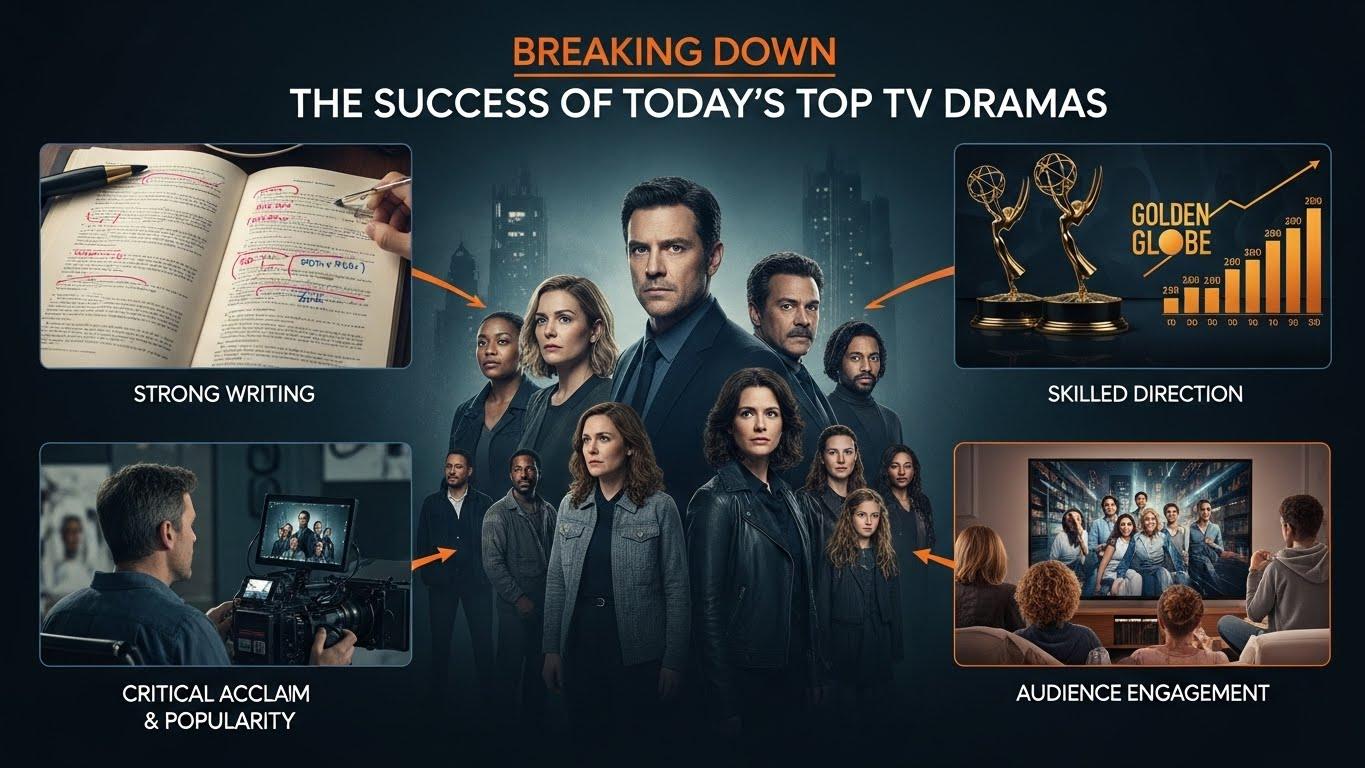
The success of today’s top TV dramas can be attributed to a combination of factors, including compelling storytelling, high production values, the influence of streaming services, and active audience engagement. Together, these elements create a dynamic viewing experience that resonates with audiences worldwide.
As TV dramas continue to evolve and push the boundaries of storytelling, it is clear that their impact on the entertainment industry will be long-lasting. With new and exciting shows constantly emerging, the future of TV dramas looks brighter than ever, promising more unforgettable stories and complex characters that will captivate viewers for years to come.
For more insights into the world of TV dramas, explore the evolution of character development in modern television. Additionally, learn about the golden age of television and its impact on contemporary storytelling. Dive into the effects of the pandemic on TV production and consumption. Finally, discover the role of streaming platforms in shaping the future of the industry.
As we look to the future of TV dramas, several trends are poised to shape the next generation of storytelling. One notable trend is the increasing focus on inclusivity and representation. As audiences become more diverse, there is a growing demand for stories that reflect a broader range of experiences and perspectives.
Creators are responding by crafting narratives that not only include diverse characters but also employ diverse voices behind the scenes. This shift is leading to richer, more varied storytelling that resonates with a wider audience. Shows like “Pose” and “Insecure” have been at the forefront of this movement, offering authentic portrayals of underrepresented communities.
Another trend is the integration of technology into storytelling. Interactive TV dramas, where viewers can influence the plot through choices, are gaining popularity. This format offers a unique experience, allowing audiences to become active participants in the narrative. Shows like “Black Mirror: Bandersnatch” have successfully explored this innovative approach to storytelling.
Moreover, the line between genres continues to blur, as TV dramas increasingly incorporate elements of comedy, horror, and science fiction. This blending of genres results in more dynamic and unpredictable narratives, appealing to audiences who seek novel and immersive experiences.
As TV dramas continue to evolve, the role of international co-productions is becoming more prominent. Collaborations between production companies from different countries are leading to high-quality content that appeals to global audiences. These partnerships not only bring diverse perspectives to the table but also open up new markets for distribution.
In conclusion, the success of today’s TV dramas is a testament to the power of storytelling and the ability of creators to adapt to changing audience preferences. As the landscape of television continues to shift, one thing remains certain: the appetite for compelling, well-crafted narratives is stronger than ever.
For those interested in the future of TV dramas, keep an eye on emerging trends and technological innovations that are set to redefine the viewing experience. As always, the key to success will be the ability to tell stories that resonate, challenge, and inspire audiences worldwide. Whether through groundbreaking narratives or captivating characters, TV dramas will continue to be a dominant force in the entertainment industry for years to come.
One of the enduring appeals of TV dramas is their capacity to explore complex themes and social issues. As society evolves, so too do the narratives that reflect its challenges and triumphs. Contemporary TV dramas are increasingly addressing topics such as mental health, environmental concerns, and systemic inequality, offering viewers not only entertainment but also critical reflections on the world around them.
Shows like “13 Reasons Why” and “The Handmaid’s Tale” have sparked important conversations around topics like mental illness and women’s rights, demonstrating the medium’s potential to influence public discourse. This socially conscious storytelling is becoming a hallmark of high-quality TV dramas, inviting audiences to engage with pressing issues in a meaningful way.
Moreover, the ability of TV dramas to foster empathy and understanding across different cultures and communities cannot be overstated. By presenting diverse stories and perspectives, these shows provide a window into the lives of others, breaking down barriers and promoting inclusivity. The global success of series like “Narcos” and “Squid Game” highlights the universal human experiences that transcend cultural divides, captivating audiences worldwide.
As we move forward, the role of technology in shaping TV dramas will continue to expand. With advancements in artificial intelligence and virtual reality, creators have new tools at their disposal to experiment with storytelling techniques. Imagine a TV drama where viewers can step into the shoes of a character through VR, experiencing the narrative from a first-person perspective. Such innovations promise to redefine the boundaries of traditional storytelling, offering even greater immersion and engagement.
Furthermore, data analytics and viewer insights are increasingly guiding content creation, allowing producers to tailor stories to audience preferences with greater precision. Streaming platforms have access to vast amounts of viewer data, enabling them to identify trends and make informed decisions about which narratives to greenlight. This data-driven approach ensures that TV dramas continue to resonate with audiences, aligning with their evolving tastes and interests.
Looking ahead, the future of TV dramas is bright, with endless possibilities for innovation and creativity. As new voices and perspectives enter the arena, the genre will continue to push boundaries and challenge conventions. Whether through groundbreaking technology or poignant storytelling, TV dramas will remain a powerful medium for exploring the human condition and connecting audiences across the globe.
For those passionate about the evolution of TV dramas, staying informed about industry trends and technological advancements is key. By keeping a finger on the pulse of the entertainment landscape, viewers can anticipate the next wave of transformative stories that will captivate and inspire. As the golden age of television continues, the potential for TV dramas to impact and enrich our lives remains limitless.