Whisk_4410ea0ade1c81fb3924c9e41a9fee7edr
Updated: April 8, 2026
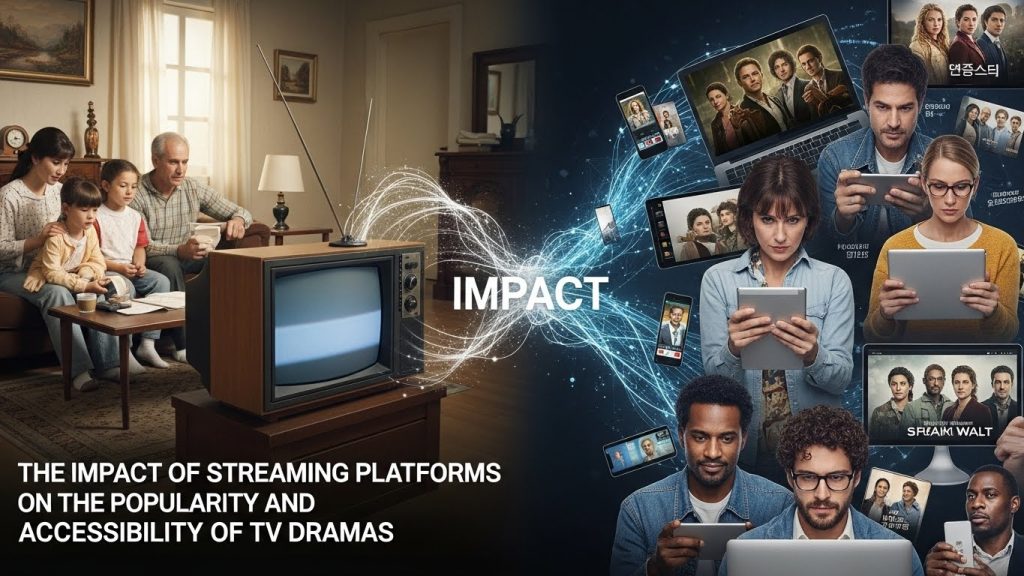
The Impact of Streaming Platforms on the Popularity and Accessibility of TV Dramas
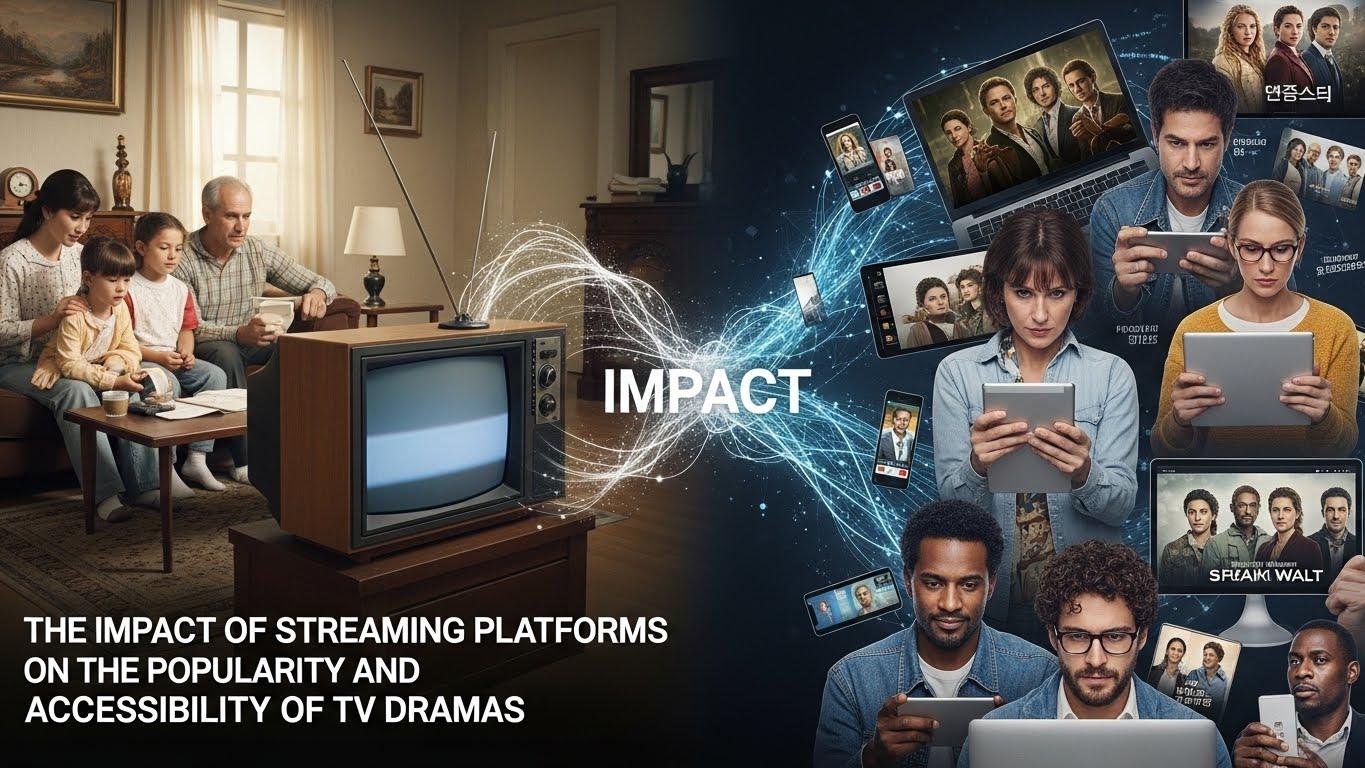
Television dramas have long been a staple of global entertainment, captivating audiences with their intricate narratives and multifaceted characters. However, the rise of streaming platforms has radically transformed how viewers access and engage with TV dramas. This shift not only influences viewer habits but also impacts production and distribution, setting the stage for a new era in televised storytelling.
The Evolution of TV Drama Viewing Habits
In the past, viewers had little choice but to tune in at specific times to catch their favorite television dramas. This rigid schedule often made it challenging for audiences to keep up with ongoing series, especially with the demands of daily life. However, with the advent of streaming platforms like Netflix, Hulu, and Amazon Prime Video, the landscape has changed dramatically. Audiences now enjoy the convenience of watching TV dramas at their own pace, on their own schedule.
The concept of binge-watching has become a cultural phenomenon, allowing viewers to consume entire seasons of TV dramas in one sitting. This practice not only increases engagement but also promotes a deeper connection with the storyline and characters. Streaming services have capitalized on this trend, releasing full seasons at once to cater to the binge-watching audience.
Increased Accessibility and Global Reach
One significant impact of streaming platforms is the increased accessibility to TV dramas. Previously, international audiences had limited access to foreign television shows, often waiting months or even years for dubbed or subtitled versions. Now, streaming platforms provide instant access to a vast library of TV dramas from around the world, often with subtitles available in multiple languages.

This global reach has allowed TV dramas to transcend cultural boundaries and reach diverse audiences. Shows like “Money Heist” from Spain and “Squid Game” from South Korea have gained massive international popularity, largely due to their availability on streaming platforms. This global exposure not only benefits the shows themselves but also encourages cross-cultural exchange and understanding.
Impact on TV Drama Production
The rise of streaming platforms has also revolutionized the production of TV dramas. Traditionally, network television dictated the structure and format of shows, often adhering to a rigid episodic formula. Streaming platforms, however, offer greater creative freedom and flexibility, allowing creators to experiment with narrative styles, episode lengths, and thematic content.
This shift has resulted in a surge of innovative and bold storytelling, with creators exploring complex themes and pushing the boundaries of conventional television. Many streaming services have also invested heavily in original content, producing high-quality dramas that rival those of traditional networks. The success of series like “The Crown” and “Stranger Things” demonstrates the potential of streaming platforms to produce critically acclaimed and commercially successful TV dramas.
Challenges and Criticisms
Despite the numerous advantages, the impact of streaming platforms on TV dramas is not without its challenges. One such criticism is the oversaturation of content. With numerous platforms and countless shows available, audiences can feel overwhelmed by the sheer volume of options. This abundance can make it difficult for new TV dramas to stand out and capture viewers’ attention.
Additionally, the algorithm-driven recommendations of streaming platforms can sometimes limit viewers’ exposure to diverse content. While these algorithms aim to tailor suggestions based on viewing history, they may inadvertently reinforce existing preferences and restrict discovery of new and different TV dramas.
Moreover, the competitive nature of the streaming industry has led to the fragmentation of content across multiple platforms. Audiences may need to subscribe to several services to access all their favorite TV dramas, leading to increased costs and potential frustration.
The Future of TV Dramas on Streaming Platforms
As streaming platforms continue to dominate the entertainment landscape, the future of TV dramas looks promising yet challenging. With technological advancements such as virtual reality and interactive storytelling, the potential for immersive and engaging TV dramas is vast. Streaming services are likely to continue investing in diverse and inclusive content, catering to a broad range of audiences and preferences.
However, the industry must address the challenges of content oversaturation and algorithm-driven limitations to ensure the continued growth and success of TV dramas on streaming platforms. Collaboration between platforms, creators, and audiences will be crucial in shaping the future of television entertainment.
Takeaways
The impact of streaming platforms on the popularity and accessibility of TV dramas is undeniably significant. By offering greater convenience, global accessibility, and creative freedom, these platforms have transformed how audiences engage with televised storytelling. While challenges remain, the potential for innovation and growth in the realm of TV dramas is immense. As technology and consumer preferences continue to evolve, streaming platforms will play a pivotal role in shaping the future of television entertainment.
The Role of Data and Analytics in TV Drama Success
One of the lesser-discussed but impactful aspects of streaming platforms is the role of data and analytics in shaping TV dramas. Streaming services collect a wealth of data about viewer habits, preferences, and engagement levels, which they use to make informed decisions about content production and acquisition. This data-driven approach allows for a more targeted and strategic creation of TV dramas, increasing the likelihood of success.
For example, streaming platforms can identify popular genres or themes among specific demographics and invest in producing original content that aligns with these insights. They can also determine the optimal length and episode count for a series based on viewer completion rates. This level of precision was previously unattainable in the traditional television model, where success was often measured by broad ratings and audience share.
Collaborative Opportunities and Talent Discovery
Streaming platforms have also opened new avenues for collaboration and talent discovery within the TV drama industry. By offering a global platform accessible to a wide audience, these services attract a diverse pool of creators, actors, and writers eager to share their stories. International co-productions have become more prevalent, bringing together talent from different countries to create unique and compelling content.
Moreover, streaming platforms have become a breeding ground for emerging talent. With fewer barriers to entry compared to traditional networks, new and independent creators have the opportunity to showcase their work to a global audience. This democratization of content creation has led to a more vibrant and varied landscape of TV dramas, with fresh voices and perspectives gaining recognition and acclaim.
Impact on Traditional Television Networks
The rise of streaming platforms has undoubtedly posed challenges to traditional television networks. As audiences increasingly shift towards streaming services, networks face declining viewership and advertising revenue. In response, many networks have launched their own streaming services to remain competitive and retain their audience base.
This shift has prompted traditional networks to reevaluate their programming strategies, leading to more experimental and risk-taking content. Networks are now more inclined to greenlight daring and unconventional TV dramas, knowing that they must differentiate themselves in a crowded market. This competition ultimately benefits viewers, who have access to a wider array of high-quality programming options.
Adapting to Changing Consumer Expectations
Streaming platforms have also shaped consumer expectations regarding the quality and availability of TV dramas. Viewers now expect high production values, compelling storytelling, and immediate access to new episodes. As a result, both streaming services and traditional networks must continually raise the bar to meet these heightened expectations.
This dynamic has led to increased investments in production budgets, with platforms striving to deliver cinematic-quality TV dramas that captivate audiences. The emphasis on production quality is evident in series such as “The Mandalorian” and “The Witcher,” which boast impressive special effects and high-caliber performances.
Conclusion: Embracing the Streaming Era
The impact of streaming platforms on the popularity and accessibility of TV dramas is a testament to the power of technology and innovation in shaping the entertainment industry. As streaming services continue to evolve and expand, they will undoubtedly play a crucial role in defining the future of television storytelling.
While challenges persist, the opportunities for creativity, collaboration, and global reach make this an exciting time for TV drama enthusiasts and creators alike. By embracing the potential of streaming platforms, the industry can continue to thrive and deliver captivating stories that resonate with audiences worldwide.
In this fast-paced, ever-changing landscape, one thing is clear: the streaming era has forever altered the way we experience TV dramas, and its influence will continue to shape the industry for years to come.
The Role of Social Media in Promoting TV Dramas
In the streaming era, social media platforms have emerged as powerful tools for promoting TV dramas and engaging with audiences. Shows often gain traction through viral marketing campaigns and user-generated content, creating a buzz that extends beyond the traditional advertising model. Social media allows fans to discuss plot twists, share memes, and create fan art, fostering a sense of community around TV dramas.
Platforms like Twitter, Instagram, and TikTok enable real-time interactions between fans and creators, enriching the viewing experience. Many streaming services actively encourage and participate in these conversations, offering behind-the-scenes content, teasers, and exclusive interviews to keep viewers engaged. This direct line of communication helps build a loyal fanbase and sustains interest in TV dramas long after their initial release.
Emerging Technologies and Their Influence on TV Dramas
As technology continues to advance, streaming platforms are exploring innovative ways to enhance the TV drama experience. Virtual reality (VR) and augmented reality (AR) are poised to revolutionize how audiences interact with their favorite shows. Imagine stepping into the world of a TV drama through a VR headset, experiencing the storyline from a first-person perspective.
Interactive storytelling is another emerging trend, allowing viewers to influence the narrative through choices made during the viewing experience. This format, popularized by projects such as Netflix’s “Bandersnatch,” offers a new level of engagement and personalization, making TV dramas more immersive and participatory.
The Environmental Impact of Streaming Platforms
While streaming platforms offer numerous benefits, it’s important to consider their environmental footprint. The data centers that power these services consume substantial amounts of energy, contributing to carbon emissions. As the demand for streaming continues to grow, so does the need for sustainable practices within the industry.
Several streaming companies are taking steps to mitigate their environmental impact. Initiatives include investing in renewable energy sources, optimizing data storage, and improving energy efficiency. By prioritizing sustainability, streaming platforms can minimize their ecological footprint and contribute to a more environmentally conscious entertainment industry.
Conclusion: A New Golden Age of TV Dramas
The rise of streaming platforms has ushered in a new golden age of TV dramas, characterized by unparalleled accessibility, creativity, and diversity. As technology advances and consumer preferences evolve, the potential for innovation in televised storytelling is boundless. Streaming services have democratized the industry, giving voice to a wider range of creators and stories, and expanding the boundaries of what’s possible in TV drama.
While challenges such as content saturation and environmental concerns remain, the benefits of streaming platforms in transforming the TV drama landscape are undeniable. By continuing to embrace technological advancements and sustainable practices, the industry can thrive and continue to captivate audiences around the world.
The future of TV dramas is bright, with streaming platforms leading the charge into a more connected, inclusive, and creative era of entertainment. Whether you’re a casual viewer or a dedicated fan, there’s never been a better time to explore the rich and varied world of TV dramas accessible at your fingertips.