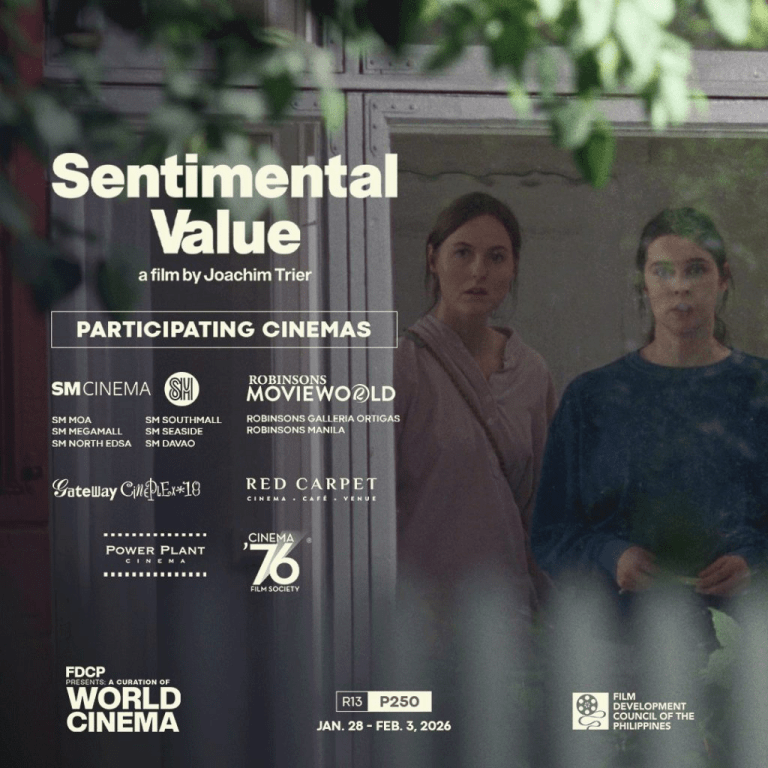
Collage of Filipino cinema representing local and global film influence
Updated: April 8, 2026
In a Philippine media landscape that grows more fragmented by streaming, theatrical releases, and festival circuits, the question are Movies Philippines isn’t merely linguistic—it’s a lens on how local narratives travel, who funds them, and which platforms reliably connect filmmakers with audiences across an archipelago and its diaspora. This piece offers a deep, context-rich analysis of the forces shaping contemporary Filipino cinema, moving beyond pride or grievance to map concrete causal links between policy, platform strategy, and audience behavior.
The Philippine Movie Landscape and Are Movies Philippines
The archipelagic economy of Philippine cinema has long depended on a delicate balance between large-scale releases and intimate storytelling. Today, that balance is tested by variable cinema attendance, the rise of short-form and indie formats, and the global appetite for regional narratives. Are Movies Philippines defined by blockbuster franchises or by the slow, stubborn ascent of films born in local neighborhoods, universities, and regional studios? The answer is nuanced. A growing cohort of filmmakers leverages festivals, microcinemas, and community screenings to keep stories alive when conventional distribution tightens. Meanwhile, audiences—ranging from cord-cutting urban viewers to provincial households with limited access to brick-and-m mortar cinemas—are increasingly choosing when and how to watch. These dynamics are not merely about consumption; they reflect shifts in risk appetite, genres, and the ways success is measured, whether by box office numbers, awards recognition, or streaming engagement. In this sense, are Movies Philippines becomes a question of where quality, relevance, and accessibility intersect in a crowded market, and who executes a credible plan to reach that intersection.
Historically, Filipino cinema has traded on a sense of shared culture—family, community, and social resilience—while also absorbing global influences, from telenovela-style melodrama to documentary storytelling. Today’s scene features a more explicit negotiation with international platforms that can underwrite risk, expand reach, and diversify revenue streams. This is not an either/or proposition between local and global; rather, it is a calibration process in which producers decide whether a project should aim for festival prestige, streaming resonance, or broad theatrical appeal. The result is a portfolio effect: a broad spectrum of titles with varying budgets, formats, and distribution routes that collectively strengthen the industry’s resilience, even as individual projects face pressures from piracy, platform exclusivity, and shifting consumer expectations.
Industry Dynamics: Production, Distribution, and Platforms
Filmmaking in the Philippines operates within a complex matrix of funding, talent development, and distribution channels. Public and private incentives, grants, and tax credits influence how stories are told and which genres gain traction. Co-productions with regional neighbors and partnerships with streaming services have begun to tilt the economics in favor of locally grounded storytelling that can scale internationally, while still maintaining a distinctly Filipino voice. On the distribution side, theatrical shows remain a valuable arena for cultural impact, but the growth of streaming platforms has dramatically altered audience reach. Local platforms and global players alike are investing in Filipino content that can be consumed at home or abroad, creating a multi-layered ladder of visibility. Yet this expansion carries risk: titles that travel well on streaming may require localization efforts—subtitles, dubbing, and cultural tuning—that stretch budgets, while the performance metrics on digital services can reward quantity over depth if not carefully managed.
The economics of Film in the Philippines also hinge on festival circuits and regional collaborations. Festivals provide essential validation and opportunity scaffolding for emerging directors, writers, and technicians. They also serve as testing grounds for form and audience reception, often guiding subsequent distribution strategies. In practice, the best outcomes emerge when policy, industry stakeholders, and educational institutions coordinate to strengthen talent pipelines, streamline funding streams, and reduce bureaucratic friction that sometimes hampers timely project completion. Integrated support across pre-production, production, and post-release phases helps ensure that are Movies Philippines remains competitive both within Southeast Asia and on the world stage.
Cultural Impact: Local Narratives Shaping Global Perceptions
Filipino storytelling is renowned for its layered familial and communal textures, social realism, and humor that travels across generations. As are Movies Philippines evolves, so too does its ability to shape how international audiences understand Philippine life, history, and aspirations. The diaspora complicates traditional viewing patterns; audiences abroad seek films that translate local experience into universal themes without erasing specificity. This requires filmmakers to balance precise culturally rooted details with accessible storytelling devices. The result is a set of works that are not only culturally meaningful at home but also legible to diverse viewers worldwide. Yet the global gaze can also prompt inflation of certain tropes or formulaic outcomes if international financiers push projects toward presumed marketability rather than authentic voice. The healthiest trajectory is a synthesis: local stories told with precision and curiosity, supported by platforms that respect authenticity while offering legitimate avenues for global discovery. Observers note that when Filipino cinema reaches outside its borders, it does so because it preserves texture—language, setting, and ritual—while translating emotion into universally resonant arcs of conflict, care, and transformation.
Public discourse around representation matters here. Are Movies Philippines moving beyond nostalgia or melodrama toward rigorous, diverse character studies and genre experimentation? The evidence suggests a gradual shift: new writers and directors are interrogating social issues—urban migration, intergenerational tension, and economic precarity—with an eye toward cinematic craft rather than mere sensationalism. If sustained, this evolution could redefine how Filipino cinema is perceived by critics, scholars, and cinephiles around the globe, expanding opportunities for cross-cultural collaborations while preserving the distinct voice that defines Philippine film culture.
Actionable Takeaways
- Policy and funding: Expand targeted incentives for genre diversity and for projects that demonstrate local authenticity with global accessibility, promoting co-productions that broaden regional reach.
- Industry practice: Invest in sustainable development pipelines—script, mentorship, and post-production resources—to improve project quality at every budget level, not just flagship titles.
- Distribution strategy: Collaborate with both local cinemas and streaming platforms to tailor release windows and localization, ensuring films reach intended audiences without over-reliance on a single channel.
- Talent development: Support film literacy and technical training in universities and community spaces to grow a generation of writers, directors, cinematographers, and editors versed in both craft and industry realities.
- Audience engagement: Encourage festival and community screenings that foreground audience feedback, enabling filmmakers to refine storytelling choices and cultural resonance before broad release.
- Diaspora outreach: Create targeted programs for Filipino filmmakers abroad to adapt local stories for global markets while preserving cultural specificity.
Source Context