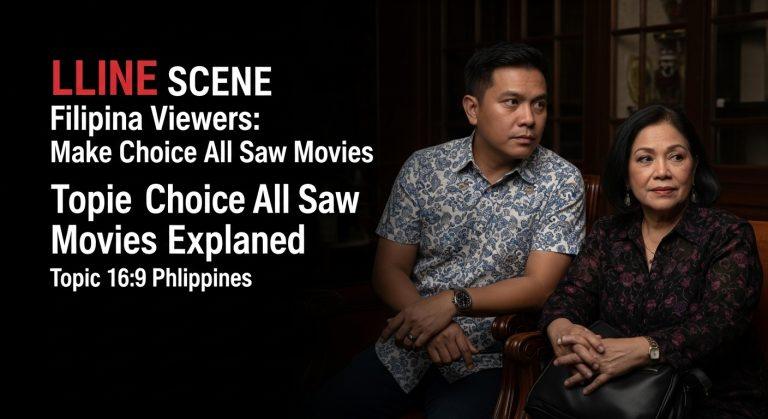
Poster concept for an Eraserheads documentary in Philippine cinema
Updated: April 8, 2026
In the evolving landscape of the Philippines’ screen culture, the years Movies Philippines arc is unfolding as Netflix Philippines enters 2026 with a slate that signals bigger ambitions and deeper local partnerships, reshaping how audiences access and how creators secure funding and distribution.
Shaping the Philippine Movie Market in a New Decade
Streaming platforms have not merely added a new channel for cinema in the Philippines; they are remaking the economics and aesthetics of the industry. The years Movies Philippines arc is visible in the way major platforms frame local titles as both national stories and regionally accessible projects. Netflix Philippines’ 2026 slate, described in industry circles as ambitious and collaboration-driven, expands the pool of Filipino filmmakers who can reach audiences beyond Metro Manila, while inviting more co-production and festival play. The dynamic shifts attention toward titles built with local voice and an understanding of everyday Philippine life, from urban nightlife dramas to provincial coming-of-age stories. Yet this shift also requires skill in balancing creative freedom with the constraints of platform budgeting, data costs, and the need to sustain a domestic audience that still prizes traditional cinema experiences. Consequently, the current moment is less a simple switch to streaming and more a recalibration of production planning, release windows, and audience engagement across multiple screens.
Strategic Partnerships and Local Narratives
From festival circuits to cross-border co-productions, alliances are becoming a core strategy for Filipino content. Industry observers note that collaborations, such as a Philippines-Japan festival appearance featuring established talents like Jun Robles Lana, illustrate how local stories can be positioned within regional cinephile networks. These partnerships unlock funding channels, mentorship pipelines, and distribution pathways that were harder to access a few years ago. For creators, the emphasis is on building narratives that retain a distinct Filipino sensibility—dialogue rhythms, cultural references, and local idioms—while ensuring they translate smoothly for a global streaming audience. The risk, of course, lies in chasing broad appeal at the expense of specificity; the best outcomes will likely come from projects that maintain a strong local core while leveraging international festival visibility and academic partnerships to refine craft and credibility.
Audience Behavior and Local Demand
Filipino viewers are increasingly mobile-first and value-driven in their streaming choices. The shift toward on-demand access means audiences expect culturally relevant content, fast-paced storytelling, and high production value even from mid-range budgets. Data plan affordability and network coverage influence the reach of titles, especially in provincial areas where cinema halls remain vital but streaming can complement or, in some cases, substitute for formal releases. In this environment, platform-curated playlists and localized language options (Tagalog, Cebuano, and other Filipino dialects) matter as much as star power. While global franchises still draw attention, there is growing appetite for locally anchored genres—romantic comedies rooted in city life, slice-of-life dramas, and festival-driven films—that reflect everyday Philippine realities and aspirations.
Economic Implications for Filmmakers and Studios
As licensing, production, and marketing costs tighten under streaming budgets, the financial calculus for Filipino cinema evolves. Streaming deals can provide steadier revenue streams than inconsistent theatrical grosses, but they also impose revenue-sharing structures that influence budgeting, cast selection, and risk tolerance. Local producers may adopt hybrid models combining grants, tax incentives, and platform advances to finance projects, with festival exposure acting as a key accelerator for visibility. International distribution—via companies like Abramorama bringing Filipino titles to North American audiences—offers a route to scale, but requires careful adaptation of marketing strategies, subtitling quality, and cultural framing to satisfy diverse audiences while preserving authenticity. The broader implication is a two-tier ecosystem: sustainable, creator-friendly corridors for niche but passionate audiences and larger, mainstream projects supported by global platforms that value regional storytelling as part of a diversified catalog.
Actionable Takeaways
- Filmmakers should pursue regional co-productions and festival-driven development to access broader funding and distribution while preserving a strong local voice.
- Netflix Philippines and other platforms should balance global demand with genuine Philippine content governance, supporting creators with clear licensing terms and fair revenue splits.
- Distributors and exhibitors can coordinate theatrical windows with streaming premieres to optimize audience reach and screen utilization in both urban and provincial markets.
- Policy makers could enhance incentives for local productions that demonstrate cross-regional appeal and invest in talent pipelines and post-production facilities.
- Content creators should prioritize accessibility, including localization (subtitles/dubbing) and culturally contextual marketing to expand reach within the Philippines and among Filipino diaspora audiences.
- Producers should monitor data usage considerations and plan budgets for both production quality and digital distribution costs to protect profitability across platforms.
Source Context
Actionable Takeaways
- Track official updates and trusted local reporting.
- Compare at least two independent sources before sharing claims.
- Review short-term risk, opportunity, and timing before acting.