hilda Movies Philippines: Hilda in the Philippines: Local Cinema Mee
Updated: April 8, 2026
In the Philippines, film discourse often unfolds at the intersection of memory, market, and moment. hilda Movies Philippines sits at the center of this dynamic, not as a single title but as a signal of how Filipino audiences negotiate heritage and novelty in a crowded media landscape. From studio releases to streaming debuts, the way viewers discuss these films reveals a pragmatic pattern: cinema here is both cultural artifact and business risk, felt across theaters, living rooms, and classrooms shaping media literacy. This frame invites readers to consider not just what fans watch, but how industry decisions—financing, festival curations, and distribution—shape what gets seen in Philippine cities and provinces alike.
The Local Pivot: Why Hilda’s Era Matters in the Philippines
Filipino cinema has endured through cycles where veteran talents re-emerge and redefine what contemporary storytelling can be. A recent feature on Hilda Koronel and the broader question of actors returning to the screen underscores how performance legacies anchor new narratives, even as production realities push filmmakers toward fresh formats. For audiences in the Philippines, this tension between nostalgia and novelty translates into a practical curiosity: can old stars lend credibility to innovative stories, and can fresh voices make room for enduring craft? The answer, observed in festival circuits, streaming platforms, and local cinemas, is that legacies become leverage when paired with relevant themes—family, social change, and language—so that familiar faces support riskier ideas rather than merely recalling past glories.
From Cannes to Local Screens: Distribution and Market Dynamics
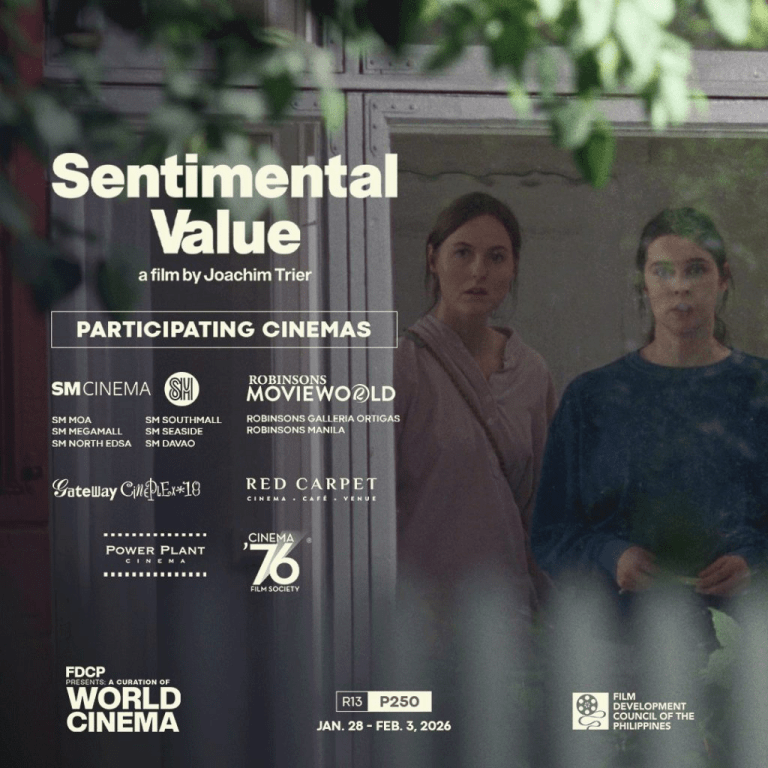
Global film events set pace and price for Philippine distribution. Cannes winners and Oscar contenders arriving on local screens shape what distributors consider bankable, influence release windows, and calibrate marketing budgets for Filipino audiences. The Philippines has shown both appetite and discernment: audiences will flock to prestige titles when they believe those films speak to local sensibilities—be it through language, setting, or themes—and will also seek out accessible works that fit into weekly cinema routines or streaming queues. This market reality pushes Philippine exhibitors to balance prestige titles with mid-range productions that can sustain a cinema’s calendar while networks and streaming platforms curate a steady stream of new content. In practical terms, this means more deliberate release planning, cross-border co-productions, and partnerships that can translate festival prestige into accessible viewing in Metro Manila and beyond.
Talent, Streaming, and Audience Behavior
Bold casting and cross-border storytelling shape choices for Filipino audiences, mirroring global trends while keeping a local lens. The decision by prominent actors to engage in ambitious new films—an example discussed in coverage of Annette Bening and the bold new project The Bride—highlights how star power can attract attention to risk-taking works. For the Philippine market, this dynamic intersects with streaming strategies and homegrown distribution models. Filipino viewers increasingly curate their own viewing itineraries: attending cinemas for special runs, subscribing to regional streaming catalogs, and sharing recommendations in social communities that hybridize film criticism with everyday life. The implication for filmmakers and distributors is clear: align creative ambition with flexible access, and acknowledge that audiences optimize value through multi-platform consumption, bilingual or multilingual accessibility, and timely availability on local services.
Policy and Infrastructure: What a Philippine Audience Can Expect
Beyond those market forces lie policy and infrastructure questions that determine long-term access to quality cinema. Government and industry bodies face the challenge of sustaining local production through subsidies, ensuring fair distribution rights, and fostering regional festival ecosystems that can feed talent back into mainstream screens. A robust framework would promote co-productions with regional partners, streamline regulatory processes for release and certification, and incentivize platforms to expand their catalog with Filipino-language content. In a scenario where local cinema remains competitive against global streaming, audiences would benefit from more predictable release windows, improved subtitling and dubbing, and greater visibility for films that speak to Philippine experiences—from urban modernity to rural realities and regional languages. This is not merely cultural; it is an economic and educational strategy, enabling communities to access diverse storytelling while supporting a resilient film industry at scale.
Actionable Takeaways
- Viewers: diversify consumption by supporting both locally produced titles and festival-released films available on streaming platforms, while sharing recommendations to widen reach.
- Filmmakers: pursue cross-border collaborations and bilingual or multilingual storytelling to broaden appeal without sacrificing local specificity.
- Distributors: optimize release calendars to balance prestige titles with mid-budget Filipino narratives, ensuring steady audience engagement across months.
- Policy makers: strengthen subsidies, streamline release processes, and incentivize partnerships with regional festivals to nurture local talent and global reach.
- Educators and researchers: integrate contemporary Philippine cinema into media literacy curricula, highlighting how festival exposure, streaming access, and local languages intersect with identity and industry viability.
Source Context
For readers seeking deeper background on the themes discussed, the following sources provide context and perspectives: