
Behind The Scenes How The Pandemic Is Shaping The Future Of Cinema
Updated: April 8, 2026
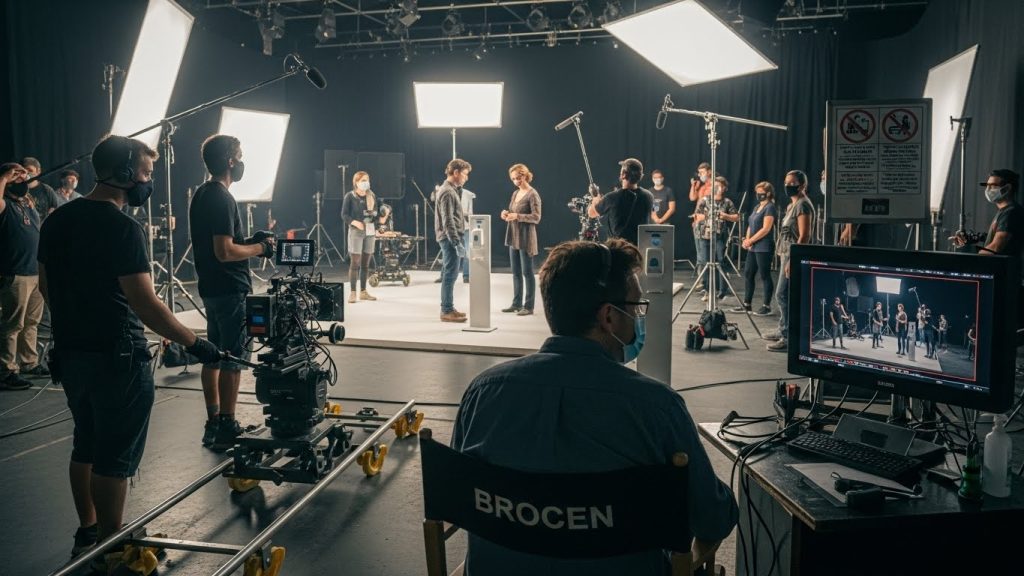
Behind the Scenes: How the Pandemic is Shaping the Future of Cinema
The COVID-19 pandemic has had an unprecedented impact on the world, affecting various sectors, and the movie industry is no exception. As theaters closed, film productions halted, and streaming services surged, the pandemic has become a catalyst for transformation within the cinematic landscape. This blog post delves into how these changes are shaping the future of cinema, offering insights into both the challenges and opportunities presented by a post-pandemic world.
The Rise of Streaming Services
Even before the pandemic, streaming services were gaining popularity, but the global health crisis accelerated this trend exponentially. As people were confined to their homes, platforms like Netflix, Amazon Prime Video, and Disney+ witnessed a significant increase in subscribers. According to Statista, Netflix alone gained over 36 million new subscribers in 2020.
This surge in streaming has led to a paradigm shift in how audiences consume content. With the convenience of watching films from the comfort of home, many are questioning the necessity of traditional theaters. This trend has forced filmmakers and studios to reconsider distribution strategies, often opting for simultaneous releases on both streaming platforms and in theaters.
Challenges Faced by Traditional Theaters

The pandemic has undeniably challenged the traditional theater model. With social distancing measures and capacity restrictions, theaters have struggled to attract audiences, leading to significant financial losses. For example, AMC Theatres, one of the largest cinema chains, faced the risk of bankruptcy as it grappled with reduced foot traffic.
Furthermore, the uncertainty surrounding the reopening of theaters has made studios hesitant to release big-budget films, further impacting theater revenues. This situation has raised questions about the long-term viability of theaters and whether they can adapt to the changing landscape.
Innovations in Movie Production
Despite the challenges, the pandemic has also spurred innovation in movie production. Filmmakers have adapted to new safety protocols, utilizing technology to continue producing content amid restrictions. The use of virtual sets and digital media has become more prevalent, allowing for creativity and collaboration in a socially distanced world.
Additionally, the rise of remote work has enabled global talent to collaborate more easily, resulting in diverse and innovative storytelling. This shift has democratized access to filmmaking resources, empowering independent creators to produce high-quality content without the need for traditional studio backing.
Shifts in Audience Preferences
The pandemic has also influenced audience preferences, with viewers seeking diverse and inclusive content. The increased time spent on streaming platforms has exposed audiences to a wider range of genres and international films, broadening their tastes and expectations.
This shift has encouraged studios to invest in a wider array of projects that cater to diverse audiences. The success of films like “Parasite” and “Minari” demonstrates the growing appetite for stories that reflect a variety of cultures and experiences. As audiences continue to demand more representation, the industry is likely to see a surge in content that celebrates diversity.

Emerging Trends in Film Distribution
The pandemic has accelerated the adoption of new distribution models, with some studios experimenting with direct-to-consumer releases. Warner Bros., for instance, announced that its entire 2021 film slate would debut on HBO Max alongside traditional theatrical releases. This hybrid model allows studios to reach a broader audience while offering consumers flexibility in how they watch films.
Additionally, some filmmakers are exploring alternative distribution channels, such as virtual film festivals and on-demand releases, to connect with audiences worldwide. These strategies offer opportunities for films that may not have had the chance to shine in a traditional theatrical release, highlighting the potential for innovation in film distribution.
The Future of Cinematic Experiences
As the world gradually recovers from the pandemic, the future of cinema will likely involve a blend of traditional and innovative approaches. Theaters may need to redefine their role, offering unique experiences that cannot be replicated at home, such as immersive screenings and interactive events.
The rise of IMAX and other premium formats could play a critical role in drawing audiences back to theaters, as they provide a cinematic experience that home setups cannot match. Additionally, theaters might collaborate with streaming platforms to offer exclusive content, creating a symbiotic relationship that benefits both parties.
Conclusion: A New Dawn for Cinema
The COVID-19 pandemic has undoubtedly reshaped the future of cinema, presenting both challenges and opportunities for the industry. As streaming services continue to thrive and traditional theaters navigate uncertain waters, the film industry must adapt to the changing landscape to remain relevant.

Embracing innovation in production, distribution, and storytelling will be crucial for the industry’s survival. By leveraging new technologies and catering to diverse audience preferences, cinema can continue to captivate audiences and remain a powerful medium for storytelling in a post-pandemic world. The future of cinema may look different, but it holds the promise of exciting new possibilities.
Adapting to a Hybrid Entertainment Landscape
The pandemic has catalyzed the evolution of a hybrid entertainment model, where both physical and digital experiences coexist and complement each other. As the film industry navigates this new terrain, stakeholders must focus on creating synergy between traditional and emerging platforms.
Cinema chains are beginning to explore partnerships with streaming services, leveraging their vast catalogs for special screenings or exclusive release windows. For instance, Netflix has previously collaborated with select theaters to showcase its original films, offering audiences the chance to experience the cinematic grandeur that can only be found on the big screen.
Moreover, the integration of virtual reality (VR) and augmented reality (AR) technologies into the movie-going experience could revolutionize how stories are told and consumed. These technologies offer immersive storytelling possibilities that can enhance both the theatrical and at-home viewing experiences, blurring the lines between reality and fiction.
The Role of Independent Filmmakers

Amidst the changes brought about by the pandemic, independent filmmakers have found new opportunities to shine. With traditional studios slowing down production schedules, indie creators have been able to fill the content gap with fresh, innovative projects. The democratization of filmmaking tools and platforms has empowered these creators to reach global audiences without the need for extensive resources.
Streaming platforms have become a vital avenue for independent films, providing a space where unique stories can gain visibility and traction. Festivals like Sundance have adapted to virtual formats, allowing indie filmmakers to showcase their work to international audiences and industry professionals alike.
The rise of crowdfunding platforms has also supported the independent film scene, enabling creators to secure funding directly from their fan base. This shift towards community-driven support has fostered a closer connection between filmmakers and their audiences, leading to more authentic and diverse storytelling.
Reimagining Theater Spaces
As theaters adapt to the evolving landscape, reimagining the physical space itself could play a crucial role in attracting audiences. Some cinemas are exploring multipurpose venues that combine film screenings with other forms of entertainment, such as live performances or dining experiences.
The concept of boutique cinemas is gaining traction, offering patrons a more personalized and intimate movie-going experience. These venues focus on creating a luxurious atmosphere, with amenities like gourmet snacks, plush seating, and curated film selections.
Additionally, theaters are experimenting with technology-driven enhancements, such as interactive screens and personalized content recommendations, to create a more engaging experience for moviegoers. These innovations aim to differentiate the theater experience from at-home viewing, enticing audiences to return to the cinema.

Environmental and Ethical Considerations
The pandemic has also prompted the film industry to reconsider its environmental and ethical practices. With the temporary halt in production, there has been a growing awareness of the industry’s carbon footprint and the need for sustainable filmmaking practices.
Studios are increasingly adopting green initiatives, such as using renewable energy sources, reducing waste, and implementing carbon offset programs. By prioritizing sustainability, the industry can contribute to global efforts to combat climate change while also appealing to eco-conscious audiences.
Furthermore, there is a heightened focus on ethical considerations, such as fair labor practices and diversity in casting and production teams. The pandemic has amplified calls for inclusivity and representation, encouraging the industry to take meaningful steps towards creating a more equitable and diverse cinematic landscape.
Conclusion: Embracing a New Era of Cinema
The film industry is at a crossroads, with the pandemic serving as a catalyst for profound change. As cinema navigates this new era, it must embrace both the challenges and opportunities presented by a hybrid entertainment landscape. By fostering innovation, inclusivity, and sustainability, the industry can continue to captivate audiences and remain a vital cultural force.
As we look to the future, the synergy between traditional theaters and streaming platforms, the rise of independent filmmaking, and the reimagining of cinema spaces will shape the path forward. The cinematic experience may evolve, but its core mission—bringing stories to life and connecting people through the magic of film—remains unchanged. The future of cinema is bright, and it holds the promise of exciting new possibilities for filmmakers and audiences alike.