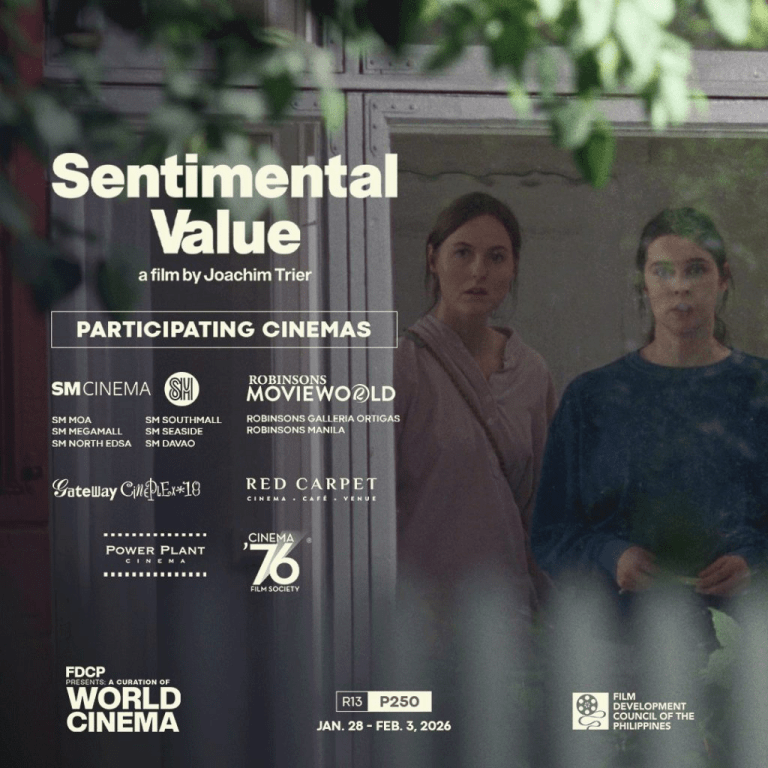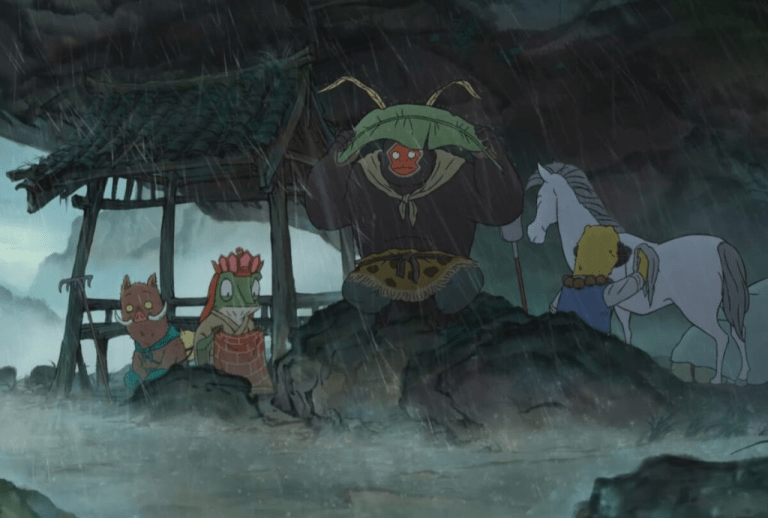
Philippine cinema, streaming, and festival scenes representing entertainment consumption in the Philippines
Updated: April 7, 2026
entertainment Movies Philippines sits at a crossroads where viewers mix theater outings, streaming on-demand, and festival debuts to form a more layered culture of consumption. As studios, exhibitors, and fan communities recalibrate what counts as a successful release, the Philippine market shows a willingness to blend local storytelling with global distribution channels. This analysis looks at the forces shaping how movies reach Filipino audiences, the role of festival circuits in expanding reach, and what businesses—such as niche e-commerce platforms—need to understand to stay relevant in a crowded media environment.
Market shifts redefine how Filipinos consume films
The theater window is no longer the sole gatekeeper of a movie’s cultural footprint. In practice, audiences now consume a spectrum of formats—from cinema experiences that invite communal viewing to on-demand streaming that accommodates variable schedules, to curated festival debuts that signal prestige and creative risk. This multi-platform approach aligns with a broader shift in consumer behavior: price sensitivity and convenience often drive choices, while the stress-test of accessibility—subtitles, affordable tiers, and device compatibility—determines whether a title can travel beyond major urban centers. For a country with a vibrant fan culture, content that speaks in local languages or dialects often travels fastest, aided by regional distributors who understand language nuances and niche genres that resonate with particular communities.
Industry observers note that the Philippines’ pipeline—from script to screen to screen again—has become more iterative. Filmmakers now test concepts with festival audiences before wide release, leveraging feedback to refine pacing, tone, or subtitle accuracy. Merchandisers and distributors, too, have learned to stage mid-release activity: limited theatrical runs for prestige titles, followed by streaming availability paired with fan events or Q&As. This pragmatic sequencing mirrors a global pattern where the financial stakes of a cinema release are balanced by the breadth of a digital footprint and the loyalty of online communities.
Festival circuits and overseas reach
Festival platforms have emerged as strategic accelerators for Philippine cinema, particularly in cultivating connections with overseas Filipino audiences. In recent coverage, festival-backed profiles around PH-Japan collaborations highlighted how cross-border events can bring Filipino stories to diasporic viewers who crave cultural touchstones from home. Such circuits also function as talent accelerators, providing filmmakers with theater-grade audiences, critical feedback, and potential distribution partners. This dynamic helps Filipino titles gain credibility on international screens, while also strengthening the domestic market by validating local auteurs and fostering a culture of risk-taking that is attractive to both creators and fans alike.
Complementing these international conversations, domestic showcases—such as Women’s Month lineups—underscore how festival programs broaden the range of voices and stories that reach the public. When festivals foreground inclusive perspectives or genre-diverse lineups, ordinary audiences encounter a broader palette of genres, from intimate dramas to genre-bending explorations, which in turn informs what audiences expect from mainstream releases. The result is a more resilient ecosystem where festival recognition can translate into both local box-office success and international curiosity.
Merchandising, streaming, and local ecosystems
Beyond screens, the fan economy extends into merchandising, experiential events, and direct-to-consumer channels. A growing segment of viewers seeks tangible connections with the titles they love—limited-edition posters, apparel, soundtracks, and other memorabilia that can be acquired through localized shops or artist-driven platforms. This trend complements streaming by enabling fans to express identity and nostalgia, bridging the gap between passive viewing and active fandom. In the Philippines, where mobile access and social networks dominate, niche e-commerce ecosystems can play a crucial role in monetizing fan engagement while supporting independent creators who might not command large global distribution. In practice, a small, regionally focused shop can become part of a broader media strategy, offering curated items that deepen the relationship between a title and its audience.
Concretely, this means producers and distributors should design releases with complementary merchandise and fan-activation plans in mind. When a film is paired with a well-timed merch drop, a festival appearance, and a streaming window that includes subtitles in major Filipino languages, the title stands a better chance of sustaining momentum across the lifecycle. The growing prominence of robust, regionally aware e-commerce ecosystems also invites brand partners to experiment with exclusive bundles, collectible editions, and cross-promotional campaigns that leverage both online and offline channels.
Actionable Takeaways
- Adopt a hybrid release strategy that couples theatrical runs with synchronized streaming availability tailored to regional markets and diaspora communities.
- Invest in local-language content and regional distribution to maximize accessibility and resonance with Filipino audiences across the archipelago.
- Develop fan-centric merchandising and experiences that convert viewership into tangible engagement, leveraging data to optimize product assortments and drop timing.
- Partner with festivals to gain international exposure while curating diaspora-targeted campaigns that highlight culturally specific storytelling.
- Prioritize accessible formats: affordable pricing, subtitles in multiple Philippine languages, and device-friendly platforms to broaden reach beyond major cities.
- Encourage collaboration between content creators, platforms, and indie shops (like community-focused shops) to sustain a vibrant local ecosystem that supports varied voices.
Source Context
For context on recent developments shaping entertainment in the Philippines, see the following sources: