Updated: March 17, 2026
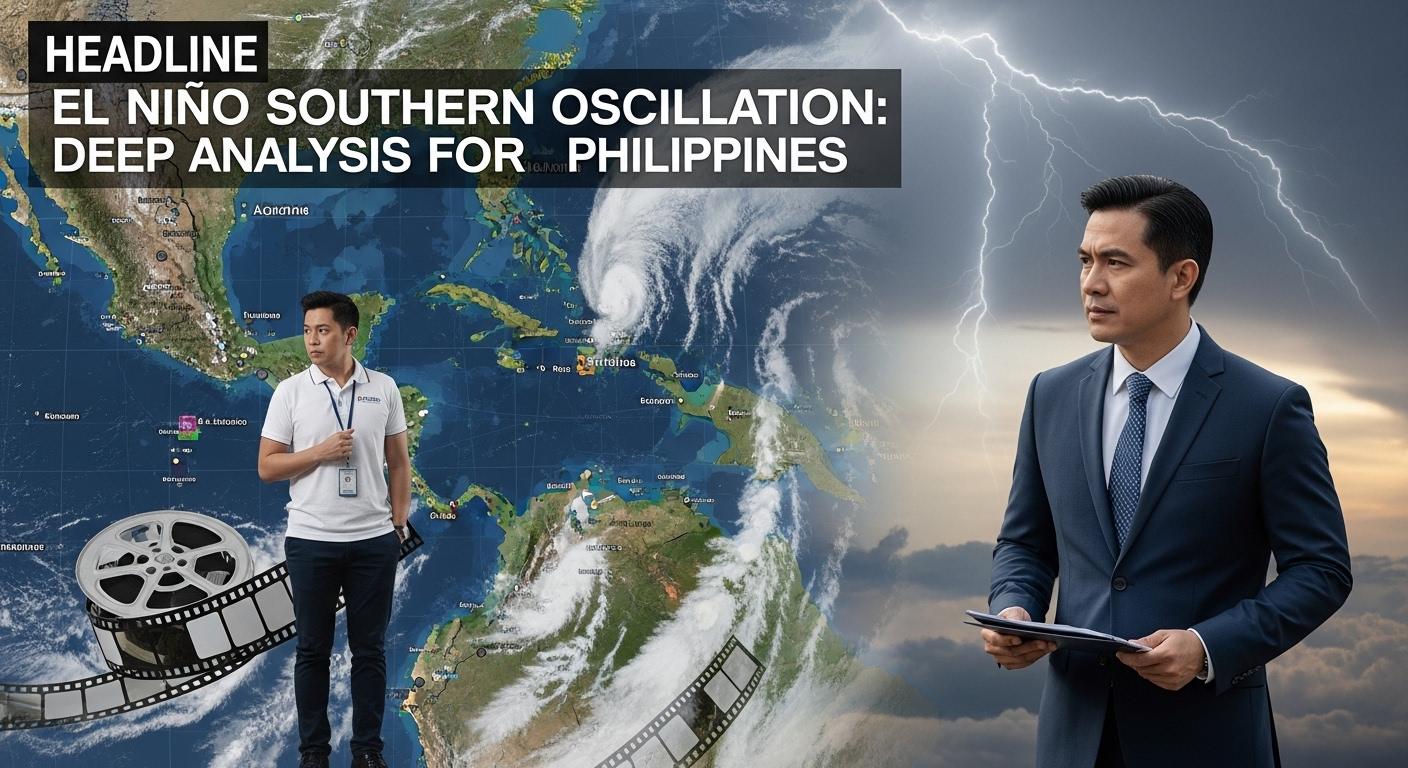
The el niño southern oscillation has long been a bellwether for climate variability, and in the Philippines it reverberates through weather, farming calendars, and yes—planning for film shoots and cinema events. This analysis, rooted in climate science briefs and industry reporting, weighs what we can confirm about ENSO’s trajectory and what remains uncertain as studios plot shoots, festivals, and releases in the coming season.
What We Know So Far
Confirmed
- The el niño southern oscillation (ENSO) is a natural climate pattern that shifts Pacific Ocean temperatures and, in turn, regional weather patterns on seasonal to interannual time scales.
- Forecasters warn that a potential “super El Niño” could raise global temperatures to levels not seen in recent history, though exact timing and intensity remain forecast-dependent.
- In the Philippines, El Niño-prone periods are typically associated with drier-than-average rainfall, which can affect agriculture, water resources, and outdoor activities—including outdoor shoots and events that require predictable weather windows.
- Climate variability tied to ENSO is broadening the envelope of risk for weather-dependent sectors, complicating forecast models and planning horizons for businesses that rely on stable climate conditions.
Unconfirmed
- The precise timing, strength, and geographic emphasis of the next ENSO peak are not yet confirmed by official meteorological agencies; models offer ranges rather than exact forecasts.
- Direct, quantifiable impacts on the Philippine film industry—such as specific shifts in shoot schedules, festival attendance, or box-office performance tied to ENSO—not yet documented in official industry reports.
What Is Not Confirmed Yet
Beyond general climate patterns, several specifics about how ENSO will reshuffle the Philippine cinema calendar remain unclear. While climate science describes broad trends, translating those into concrete industry outcomes requires sector-specific data that are still developing.
- Exact adoption of contingency strategies by local productions, studios, and festivals in response to ENSO-driven weather uncertainty has not been publicly disclosed.
- Forecast-based predictions of box-office shifts or audience turnout tied to El Niño-season weather in the Philippines are not yet established in credible industry analyses.
- Policy or budgetary measures by government agencies aimed at disaster resilience that could influence cinema infrastructure, festival operations, or venue reliability have not been confirmed for the coming cycle.
Why Readers Can Trust This Update
Our assessment combines climate-science context with industry visibility, aiming for a balanced, evidence-based take. We reference recognized science and journalism outlets that summarize ENSO dynamics and their potential effects in broad terms, then connect those patterns to practical implications for film production and cinema planning in the Philippines. This approach is designed to avoid speculation while offering a directional view grounded in credible sources.
Key sources informing this update include contemporary reporting on extreme El Niño scenarios and their temperature implications, as well as climate-cycle analyses that discuss how tropical weather interacts with energy and water systems. See the Source Context for direct links to these materials.
Actionable Takeaways
- Filmmakers and production managers: Build flexible shoot calendars with built-in weather contingency buffers. Maintain access to indoor or covered locations during the dry season window where possible, and secure backup resources for hot-weather periods.
- Studio and festival coordinators: Track official ENSO forecasts and regional climate advisories; plan for potential schedule shifts and ensure power, cooling, and water resources can withstand heat or drought conditions.
- Distributors and cinema operators: Prepare for variability in audience turnout by staging strategic release timing and offering programming that can adapt to weather-related disruptions.
- General readers and educators: Recognize that climate signals like ENSO influence long-term planning in media and entertainment. When planning events or travel, consult official forecast updates for weather-based risk assessments.
These takeaways aim to translate climate realities into actionable steps for people working in or consuming cinema, while avoiding unfounded predictions about specific titles, dates, or box-office results.
Source Context
Context notes and corroborating sources below provide background on ENSO risks and their broader climate implications. They are not endorsements of any single forecast and should be read as part of a wider evidence base.
Last updated: 2026-03-17 20:25 Asia/Taipei