Behind the Scenes: How Major News Events are Portrayed in Film and TV
In the age of information, where news spreads faster than ever before, the portrayal of major news events in film and television holds a unique power. This medium offers audiences a chance to relive, understand, and sometimes re-interpret the most significant moments in history. But how do filmmakers and TV producers choose to depict these events? What creative liberties are taken, and how do these decisions impact both the narrative and the audience’s perception of real-life occurrences? In this article, we will delve into the intricacies of translating news events into compelling stories on screen.
The Art of Adaptation: Balancing Fact with Fiction
One of the primary challenges in portraying news events in film and television is striking the right balance between factual accuracy and engaging storytelling. While some projects aim for a near-documentary style, others prioritize dramatic effect. This often means taking creative liberties, such as altering timelines, merging characters, or intensifying certain elements for emotional impact.
For instance, the film Argo, based on the Iranian hostage crisis, was lauded for its gripping narrative but faced criticism for historical inaccuracies. Similarly, the series The Crown offers a dramatized version of royal events, blending truth with fiction to enhance its storytelling. These examples highlight the delicate dance between staying true to historical events and crafting a narrative that captivates viewers.
Research and Authenticity: The Foundation of Credible Storytelling
To achieve a semblance of authenticity, filmmakers and producers often invest heavily in research. They consult historians, journalists, and sometimes even individuals directly involved in the events. This meticulous approach ensures that while the narrative may be dramatized, it remains rooted in reality.
For example, the creators of the film Spotlight, which chronicles the Boston Globe’s investigation into child abuse within the Catholic Church, worked closely with the journalists who broke the story. This collaboration lent the film an air of authenticity that resonated deeply with audiences and critics alike. Similarly, the TV series Chernobyl meticulously recreated the events surrounding the 1986 nuclear disaster, earning praise for its attention to detail and historical accuracy.
The Influence of Perspective: Whose Story is Told?
The perspective from which a news event is portrayed can significantly influence how it is perceived by audiences. Filmmakers and producers must decide whose story to tell, which often involves highlighting certain voices while silencing others. This decision can shape the narrative and affect the audience’s understanding of the real-life events.
Consider the film Selma, which focuses on Martin Luther King Jr.’s role in the civil rights movement. By centering on a specific leader, the film provides a personal lens through which audiences can engage with the broader historical context. However, this approach may also sideline other important figures and perspectives. Similarly, movies like Zero Dark Thirty offer a unique perspective on complex events like the hunt for Osama bin Laden, emphasizing the point of view of intelligence operatives over broader geopolitical implications.
Impact and Responsibility: The Power of Media Representation
With great power comes great responsibility. The portrayal of news events in film and TV not only entertains but also shapes public perception and memory. These representations can reinforce stereotypes, perpetuate myths, or challenge prevailing narratives.
For instance, the film Hotel Rwanda brought global attention to the Rwandan genocide, influencing international perspectives on the crisis. However, it also faced criticism for oversimplifying complex socio-political issues. Similarly, shows like When They See Us reignited discussions around racial injustice and the American legal system, underscoring the potential of media to spark dialogue and drive social change.
Technology and Innovation: New Frontiers in Storytelling
As technology evolves, so too does the manner in which news events are portrayed in media. The advent of virtual reality and interactive storytelling offers new opportunities to engage audiences in immersive experiences. These technologies have the potential to transform passive viewers into active participants, providing a deeper understanding of historical events.
Documentaries like They Shall Not Grow Old utilize cutting-edge technology to bring World War I footage to life, bridging the gap between past and present. Similarly, interactive platforms such as The New York Times’ interactive features allow audiences to explore news stories in a more dynamic and engaging way. These innovations signal an exciting future for the portrayal of major news events in media.
Conclusion: The Ongoing Evolution of News Storytelling
The portrayal of major news events in film and television is a complex endeavor that requires a careful balance between accuracy and artistry. As audiences continue to seek out stories that resonate both emotionally and intellectually, filmmakers and producers must navigate the challenges of representing reality while crafting compelling narratives.

Ultimately, the power of media to shape public perception and memory underscores the importance of thoughtful and responsible storytelling. As technology and cultural contexts evolve, so too will the ways in which we engage with and understand the significant events that define our world. The ongoing evolution of news storytelling promises to offer new insights, perspectives, and opportunities for audiences and creators alike.
For those interested in exploring further, resources such as BBC’s coverage on the impact of historical films and History Extra’s insights into historical drama provide valuable context and analysis.
Challenges in Portraying Complex Events
Portraying complex and multifaceted news events is no small feat. Filmmakers and TV producers face the daunting task of distilling intricate narratives into a format that is both accessible and engaging. This challenge is amplified when dealing with ongoing events or situations that lack clear resolutions.
A prime example is the film 13th, which explores the history of racial inequality and mass incarceration in the United States. It tackles a complex subject with historical roots and contemporary implications, requiring a nuanced approach to storytelling. Similarly, the series The Looming Tower navigates the intricate web of events leading up to the September 11 attacks, blending multiple storylines to provide a comprehensive view.
These productions must balance the need for clarity and coherence with the inherent complexity of their subject matter, often leading to tough editorial decisions about what to include and what to omit.
Ethical Considerations in Storytelling
When portraying real-life events, especially those involving tragedy or loss, ethical considerations play a crucial role. Filmmakers and producers must navigate the fine line between respectful representation and exploitation. This involves being sensitive to the individuals and communities affected by the events, as well as considering the potential impact on audiences.
The film United 93, which depicts the events aboard the hijacked United Airlines flight on September 11, 2001, serves as a notable example. The filmmakers approached the project with a commitment to authenticity and respect, consulting with the families of those who perished to ensure their stories were told with dignity. This approach highlights the importance of ethical storytelling in honoring the memories of those involved while educating viewers.
Similarly, the series Unbelievable tackles sensitive topics like sexual assault with care and consideration, emphasizing the importance of giving voice to survivors and accurately representing their experiences. These examples underscore the responsibility of creators to handle real-life stories with integrity and empathy.
The Role of Cultural Context in Interpretation
Cultural context plays a significant role in how news events are portrayed and interpreted in film and television. Different cultures may view the same event through varied lenses, leading to diverse interpretations and representations. This cultural dimension can add layers of meaning and nuance to the storytelling process.
For instance, films like Persepolis, which depicts the Iranian Revolution from the perspective of a young girl, offer a unique cultural viewpoint that may differ from Western narratives of the same event. By providing an insider’s perspective, such films challenge audiences to reconsider their preconceived notions and broaden their understanding of global events.
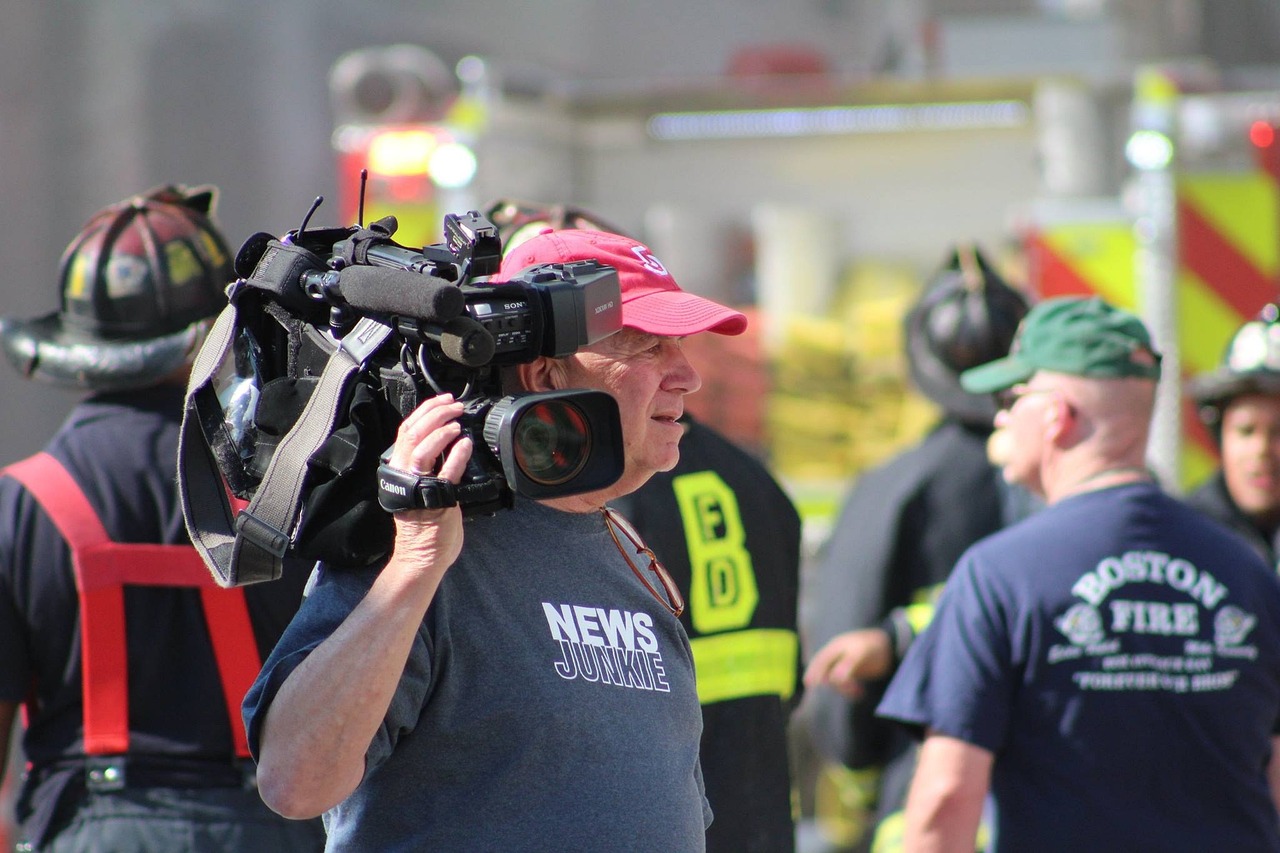
Moreover, international co-productions often bring together filmmakers from different cultural backgrounds, resulting in a richer and more nuanced portrayal of news events. This collaborative approach can foster cross-cultural dialogue and promote a more inclusive understanding of history.
The Future of News Event Portrayals in Media
As the landscape of media continues to evolve, so too will the portrayal of major news events in film and television. The rise of streaming platforms and digital content has democratized access to storytelling, enabling a wider range of voices to contribute to the narrative.
This shift offers exciting possibilities for the future of news event portrayals. We may see an increase in diverse perspectives, innovative storytelling techniques, and groundbreaking technologies that enhance our engagement with historical and contemporary events. As audiences become more discerning and demand greater authenticity, creators will be challenged to push the boundaries of traditional storytelling.
The continued evolution of media promises to offer new opportunities for education, reflection, and conversation. By embracing these changes, filmmakers and producers can continue to craft compelling narratives that resonate with audiences and contribute to a deeper understanding of the world around us.
For a deeper dive into the impact of these portrayals, consider exploring Hollywood Reporter’s analysis on film impact and Variety’s perspective on TV dramatizations for further insights.
About the Author