Behind the Scenes of Creating a Hit TV Drama: An Interview with Industry Experts
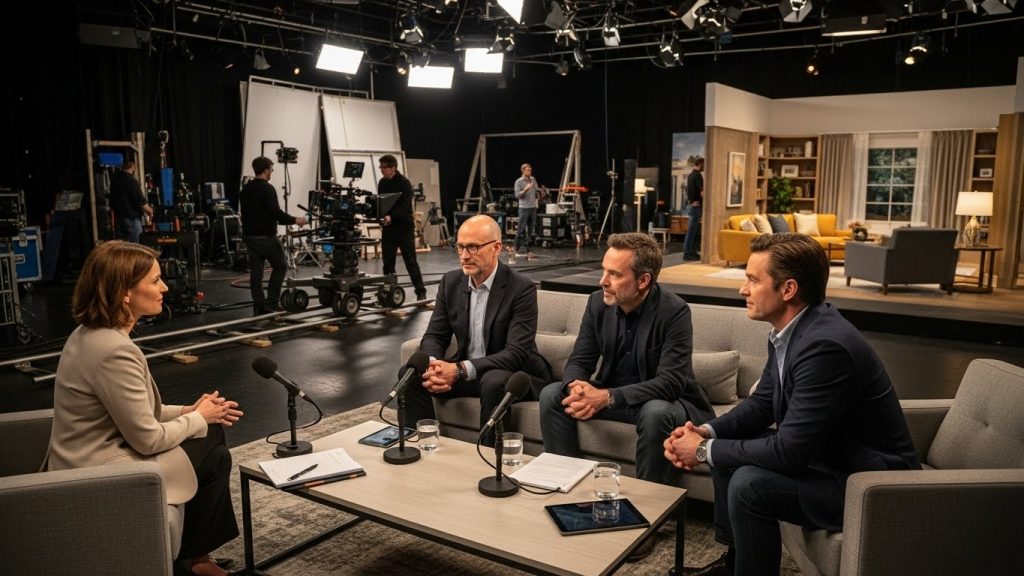
The world of television drama is as multifaceted and intricate as the storylines themselves. Behind every gripping episode lies a web of creativity, hard work, and collaboration. To uncover the secrets of producing a hit TV drama, we interviewed several industry experts who shared their invaluable insights and experiences.
The Genesis of a TV Drama: From Concept to Script
Every successful TV drama begins with a compelling concept. According to the Writers Guild of America, the initial idea is often a collaborative effort between writers and producers. Renowned TV producer Sarah Mitchell explains, “We start with a core theme or question that we want the series to explore. It’s crucial to have a strong foundation to build upon.”

Once the concept is in place, the next step is scripting. This stage involves multiple drafts and feedback sessions. “A script can go through dozens of revisions,” says John Roberts, an award-winning scriptwriter. “It’s a dynamic process where the story evolves continuously. The key is to remain flexible while staying true to the original vision.”
Assembling the Dream Team: Casting and Crew
The success of a TV drama largely depends on the people behind and in front of the camera. Casting is a meticulous process that requires careful consideration. Casting director Emily Stone shares, “We look for actors who not only fit the character’s profile but also bring something unique to the role. Chemistry between actors is paramount, as it translates into believable on-screen relationships.”
Behind the scenes, assembling a talented crew is equally important. From directors to cinematographers, each member plays a vital role in bringing the story to life. “A great crew is like a well-oiled machine,” notes director Michael Lee. “Everyone needs to be in sync to ensure that each scene translates well from script to screen.”
Setting the Scene: Location and Set Design
The setting of a TV drama often becomes a character in its own right. Selecting the right location and designing the set are crucial steps in immersing the audience in the story’s world. Location manager Lisa Torres states, “We scout various locations to find the perfect backdrop that aligns with the story’s mood and tone.”
Set design, on the other hand, involves creativity and attention to detail. “Every element on set, from furniture to props, is carefully chosen to enhance the storytelling,” explains set designer Paul Harris. For example, a drama set in the 1960s would require period-appropriate decor to establish authenticity.
Crafting the Visuals: Cinematography and Visual Effects
A hit TV drama captivates viewers not just with its story, but with its visual appeal. Cinematographers play a crucial role in achieving this by using lighting, camera angles, and composition to set the mood. “We experiment with different techniques to add depth and texture to each scene,” says cinematographer Rachel Kim.
Additionally, visual effects (VFX) have become an integral part of modern TV dramas. “VFX can transform ordinary scenes into extraordinary visual experiences,” comments VFX supervisor Mark Allen. Whether it’s creating realistic explosions or fantastical creatures, VFX enhances the narrative in ways that were once unimaginable.
The Sound of Drama: Music and Sound Design
Music and sound design are powerful storytelling tools that evoke emotions and elevate the drama. Composer David Nguyen shares, “The right score can accentuate the emotional impact of a scene. We collaborate closely with directors to ensure the music aligns with their vision.”
Sound design, too, plays a pivotal role. “It’s not just about dialogue and music,” explains sound designer Laura Shaw. “Ambient sounds, such as footsteps or rustling leaves, contribute to the immersive experience.” The intricate layering of sound elements adds realism and depth to the on-screen action.
Editing Magic: Post-Production and Final Touches
The post-production phase is where the magic truly happens. “Editing is an art form in itself,” says editor Alex Johnson. “It’s about pacing the story, creating tension, and ensuring seamless transitions between scenes.”
During this stage, color grading and sound mixing are also finalized. “Color grading can significantly alter the mood of a scene,” notes colorist Megan Brown. “We use it to highlight certain emotions or themes.” The final touches in post-production polish the drama, preparing it for its debut on the small screen.
The Marketing Push: Building Anticipation
Once the TV drama is ready for release, the focus shifts to marketing. “Creating buzz and anticipation is crucial for a show’s success,” says marketing strategist Olivia Clark. “We employ a mix of traditional advertising and social media campaigns to reach our target audience.”
Engaging with fans through platforms like Twitter and Instagram is also vital. “We encourage interaction and discussions among viewers to foster a community around the show,” adds Clark. Building a strong fanbase can significantly boost a show’s popularity and longevity.
Conclusion: The Art of Storytelling Unveiled
Creating a hit TV drama is a complex and collaborative endeavor that involves numerous talented individuals. From the initial concept to the final cut, each step requires creativity, dedication, and passion. The result is a captivating story that resonates with audiences worldwide.
As viewers, we often get lost in the fictional worlds presented to us, but it’s important to appreciate the hard work and innovation that goes on behind the scenes. With the ever-evolving landscape of television, the art of storytelling continues to push boundaries, offering us new and exciting narratives to explore.
For more insights into the world of television production, visit BBC Academy and discover the fascinating craft of creating unforgettable TV dramas.
About the Author