The Evolution of TV Dramas: A Look Back at the Genre’s History and Future
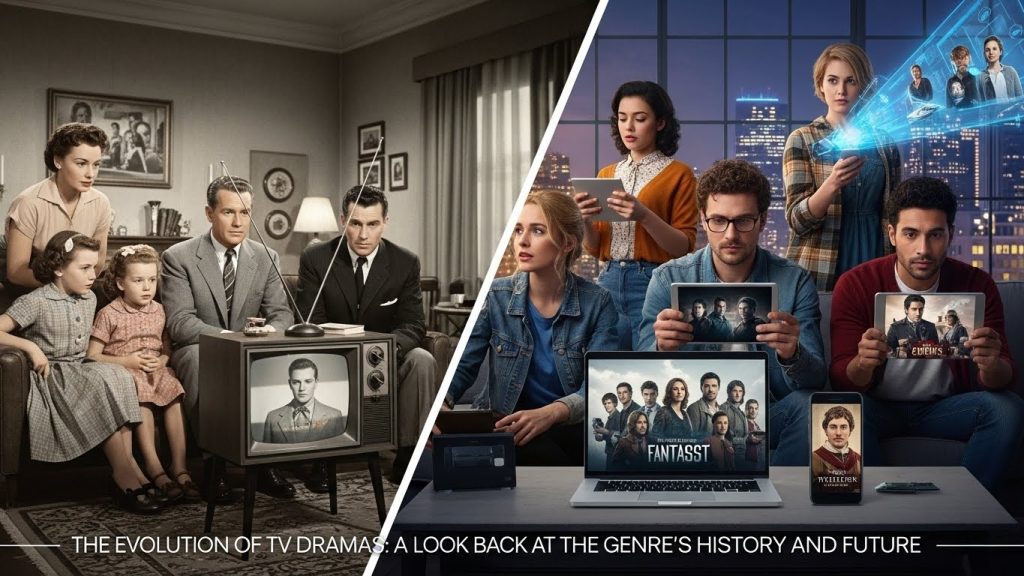
Television dramas have been a staple of entertainment for decades, captivating audiences with their intricate plots and complex characters. As the genre has grown and evolved, it has mirrored societal changes and technological advancements. From the early days of black-and-white broadcasts to today’s streaming giants, TV dramas have continually adapted, offering viewers a window into diverse worlds and experiences.
The Dawn of Television Drama
The origins of television drama can be traced back to the 1940s and 1950s, a period marked by experimentation and innovation. Early TV dramas were often broadcast live, a logistical challenge that demanded precision and creativity from producers and actors alike. Iconic shows like “The Twilight Zone” and “Playhouse 90” set the stage for what would become a beloved genre.
These early dramas were characterized by their theatrical roots, often adapting plays for the small screen. This era was also marked by a focus on social issues, with shows tackling complex subjects like race, class, and justice. The limitations of early television technology didn’t hinder these productions; rather, they inspired a level of ingenuity that would influence future generations of creators.
Expansion and Experimentation in the 1970s and 1980s
The 1970s and 1980s were transformative decades for television drama. During this period, the genre expanded beyond its theatrical origins, embracing serialized storytelling and complex character development. Shows like “Dallas” and “Hill Street Blues” introduced audiences to the concept of the serialized drama, where stories unfolded over multiple episodes and even entire seasons.

This era also saw the rise of the ensemble cast, with shows like “M*A*S*H” and “St. Elsewhere” showcasing an array of characters, each with their own distinct arcs. The ability to weave multiple narratives together became a hallmark of TV dramas, allowing for richer storytelling and deeper character exploration.
The Golden Age of Television
The 1990s and early 2000s are often referred to as the “Golden Age of Television,” a time when TV dramas reached new heights in terms of quality and cultural impact. This period was marked by an influx of creative talent, with writers and directors from the film industry bringing their expertise to the small screen.
Shows like “The Sopranos”, “The Wire”, and “Breaking Bad” were not only critically acclaimed but also pushed the boundaries of what was possible in television storytelling. These series delved into the moral complexities of their characters, offering a more nuanced portrayal of human nature. The success of these shows demonstrated that television could rival, and even surpass, the narrative depth of film.
The Streaming Revolution
The advent of streaming platforms in the 2010s revolutionized the way audiences consumed television dramas. Services like Netflix, Hulu, and Amazon Prime Video provided viewers with unprecedented access to a vast library of content, available on-demand and without the constraints of traditional broadcast schedules.
This shift had a profound impact on the genre, encouraging creators to experiment with format and structure. The traditional 22-episode season gave way to shorter, more focused narratives, allowing for tighter storytelling and higher production values. Additionally, the global reach of streaming platforms introduced international audiences to a diverse array of content, fostering cross-cultural exchange and collaboration.
The Future of TV Dramas
As we look to the future, it’s clear that television dramas will continue to evolve, driven by advances in technology and shifting audience preferences. One potential trend is the integration of interactive elements, allowing viewers to influence the outcome of a story. This concept was explored in Netflix’s “Black Mirror: Bandersnatch”, which offered a choose-your-own-adventure experience, blurring the lines between passive viewing and active participation.
Another trend is the increasing emphasis on diversity and representation in storytelling. As audiences demand more inclusive narratives, TV dramas are beginning to reflect the rich tapestry of human experience. This shift is not only a response to social change but also a recognition of the untapped potential for fresh and compelling stories.
Takeaways
The evolution of TV dramas is a testament to the genre’s enduring appeal and adaptability. From its humble beginnings to its current status as a cultural powerhouse, television drama has continually reinvented itself, embracing new technologies and storytelling techniques. As we stand on the cusp of the next era, the future of TV dramas promises to be just as exciting and transformative as its past.
Whether exploring complex moral dilemmas, offering a window into different cultures, or pushing the boundaries of narrative structure, TV dramas will undoubtedly continue to captivate audiences around the world. The genre’s rich history and boundless potential ensure that it remains a vital and dynamic form of entertainment for years to come.
Impact of Technology on TV Dramas
Technology has always played a pivotal role in the evolution of TV dramas. From the early days of bulky cameras and rudimentary editing equipment to the sophisticated digital tools available today, technological advancements have continuously shaped the way stories are told on screen. The rise of CGI and advanced special effects has enabled creators to realize ambitious visions that were once deemed impossible for the small screen.
Moreover, technology has transformed the viewing experience itself. High-definition and 4K televisions have made it possible for audiences to enjoy cinema-quality visuals at home, enhancing the immersive nature of TV dramas. Meanwhile, virtual reality and augmented reality hold the promise of further blurring the lines between viewer and narrative, offering new avenues for creative storytelling.
The Role of Social Media and Fan Engagement
Social media has become an integral part of the television drama landscape, providing a platform for fans to connect, discuss, and share their favorite shows. This level of engagement has empowered audiences, giving them a voice in the creative process and influencing the direction of beloved series.
Networks and streaming services have harnessed the power of social media to build communities around their shows, often using platforms like Twitter and Instagram to release exclusive content, behind-the-scenes footage, and interactive experiences. This direct line to fans not only helps to build anticipation but also creates a deeper emotional investment in the narratives being portrayed.
Challenges Facing TV Dramas
Despite the genre’s many successes, TV dramas face several challenges in the modern landscape. The sheer volume of content available to viewers has led to increased competition for eyeballs, making it more difficult for new shows to break through and capture the public’s attention. This saturation of content has also led to the phenomenon of “binge-watching,” where entire seasons are consumed in one sitting, altering the traditional weekly viewing model.
Furthermore, the financial pressures of producing high-quality dramas have increased, as audiences have come to expect cinematic production values. This has led to a greater reliance on international co-productions and partnerships, as networks and streaming services seek to share costs and expand their global reach.
Case Studies: Iconic TV Dramas and Their Legacy
To truly understand the impact of TV dramas, it’s helpful to examine a few iconic series that have left a lasting legacy. “The Sopranos”, for instance, redefined the anti-hero archetype, offering a character-driven narrative that delved into the complexities of power, family, and identity. Its success paved the way for other morally ambiguous protagonists in shows like “Mad Men” and “Dexter”.
Another landmark series, “The Wire”, offered a gritty, realistic portrayal of urban life, tackling systemic issues such as poverty, corruption, and the war on drugs. Its commitment to authenticity and social commentary has made it a touchstone for discussions about the intersection of media and society.
More recently, “Game of Thrones” demonstrated the global appeal of epic storytelling, blending fantasy with political intrigue to create a cultural phenomenon. Its success underscored the potential for television to deliver blockbuster-level entertainment and cemented the genre’s place in the mainstream.
The Global Influence of TV Dramas
In recent years, the globalization of television has allowed for a cross-pollination of ideas and storytelling techniques. International dramas, such as the critically acclaimed “Money Heist” from Spain and the South Korean sensation “Squid Game”, have captured global audiences, showcasing the universal appeal of well-crafted narratives.
This exchange of cultural perspectives enriches the genre, offering audiences a diverse array of stories that transcend geographical and linguistic boundaries. As streaming platforms continue to expand their international content offerings, the influence of global TV dramas is likely to grow, further diversifying the types of stories being told.
Takeaways
The history of TV dramas is a rich tapestry of innovation, adaptation, and cultural reflection. As the genre continues to evolve, it remains a powerful medium for storytelling, capable of addressing complex themes and resonating with audiences on a deeply personal level. The future of TV dramas is bright, with endless possibilities for new stories and perspectives waiting to be explored.
As creators continue to push the boundaries of what is possible, TV dramas will undoubtedly remain a vital and dynamic form of entertainment, capturing the imaginations of viewers worldwide and offering a mirror to the ever-changing world in which we live.
About the Author