The Impact of Streaming Services on the Traditional Film and Television Industry
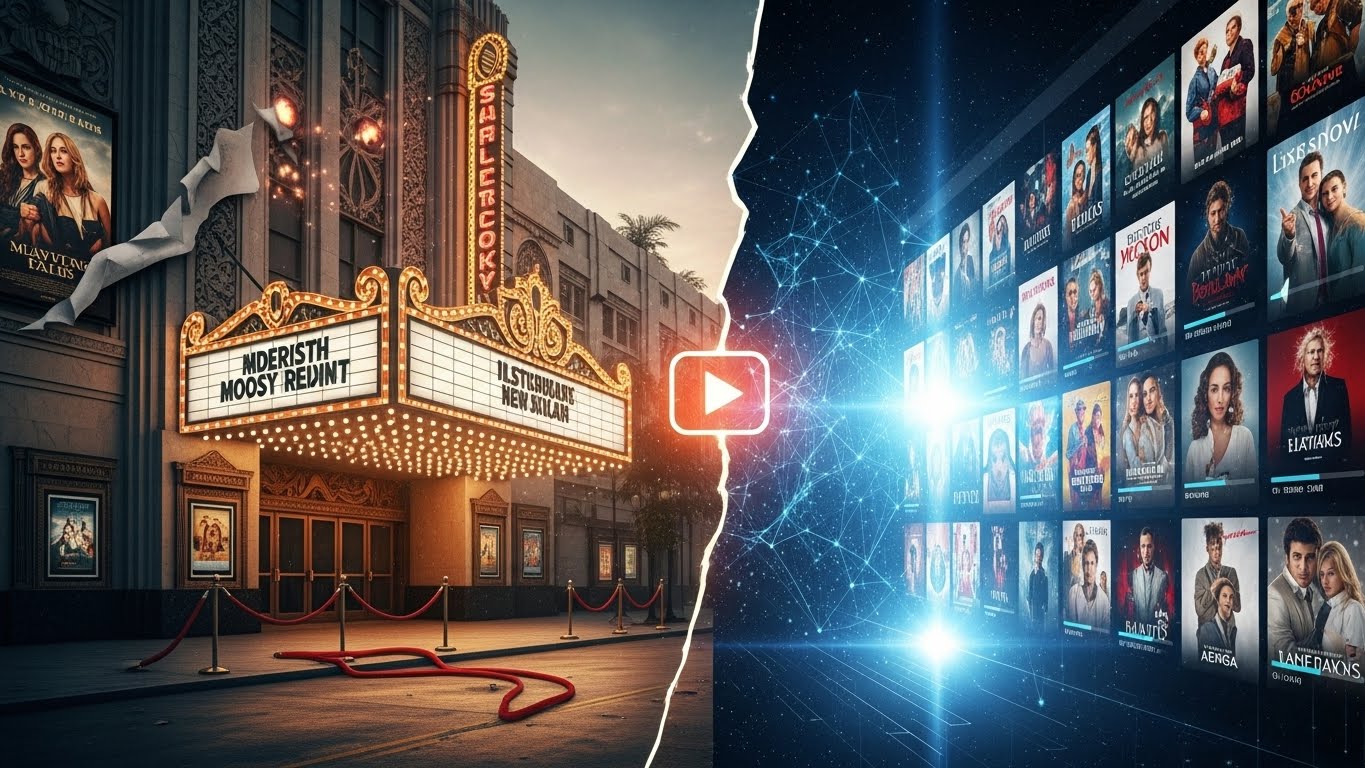
The entertainment landscape has undergone a seismic shift over the past decade, driven largely by the advent and proliferation of streaming services. These platforms have not only altered how audiences consume content but have also redefined the dynamics of the traditional film and television industry. This change has brought about both challenges and opportunities for creators, distributors, and consumers alike.
The Rise of Streaming Services
Streaming services have emerged as a dominant force in the entertainment industry, offering viewers unprecedented access to a vast library of content. Companies like Netflix, Disney+, and Amazon Prime Video have led the charge, boasting millions of subscribers worldwide. These platforms provide a convenient, on-demand viewing experience, a stark contrast to the linear scheduling of traditional television.
The success of these services can be attributed to several factors. The most significant is the flexibility they offer. Viewers can watch their favorite shows and movies anytime, anywhere, and on any device. This flexibility has appealed to a tech-savvy audience that values convenience and personalization.
Impact on Traditional Television
The traditional television model, once the cornerstone of home entertainment, has been profoundly impacted by streaming services. With the ability to binge-watch entire seasons at their own pace, viewers are increasingly cutting the cord, leading to a decline in cable subscriptions. This phenomenon, known as “cord-cutting,” has forced cable networks to adapt by offering their own streaming options, such as Hulu and Peacock.
Moreover, the advertising revenue model of traditional television has been disrupted. With fewer viewers tuning into cable, advertisers have shifted their focus to digital platforms where they can target audiences more precisely. This shift has resulted in financial challenges for traditional networks, which are now competing for a smaller piece of the advertising pie.

Transformation of Film Production and Distribution
The film industry has also been transformed by streaming services. The traditional model of a theatrical release followed by a home video launch has been upended by platforms that release films directly to their subscribers. During the COVID-19 pandemic, this trend accelerated as theaters closed and studios sought alternative distribution methods.
Streaming services have become not only distributors but also producers of original content. Platforms such as Netflix and Amazon Prime have invested heavily in producing high-quality films and series, often with renowned directors and actors. This investment has resulted in critically acclaimed productions that rival those of traditional studios, earning recognition at prestigious awards such as the Oscars.
Opportunities for Content Creators
While some see the rise of streaming as a threat to the traditional industry, others view it as an opportunity for content creators. The demand for diverse and original content has opened doors for filmmakers and showrunners who might have struggled to find a platform in the traditional system. Streaming services often seek niche content that appeals to specific audiences, providing creative freedom and financial backing to emerging talent.
This shift has also led to a democratization of content production, where creators can reach global audiences without the constraints of geographical barriers. The ability to stream content worldwide has allowed diverse voices to be heard and appreciated on a scale previously unattainable.
Challenges and Criticisms
Despite the opportunities, the rise of streaming services is not without its challenges and criticisms. One major concern is the potential for market saturation. With numerous streaming platforms competing for subscribers, consumers may experience subscription fatigue, leading to a consolidation of services or a return to piracy.
Furthermore, the dominance of a few major players raises questions about the concentration of power in the industry. Critics argue that this concentration could stifle competition and innovation, much like the concerns raised about traditional media conglomerates.

The Future of the Industry
As the film and television industry continues to evolve, the relationship between traditional and streaming models will likely become more symbiotic. Traditional networks are increasingly adopting hybrid models, combining linear programming with on-demand streaming options. Meanwhile, streaming platforms are exploring theatrical releases to broaden their audience reach and prestige.
The ongoing evolution of technology, such as advancements in virtual reality and interactive storytelling, will further impact the industry. These technologies offer new ways to engage audiences and could redefine the very nature of film and television.
Takeaways
The impact of streaming services on the traditional film and television industry is profound and multifaceted. While they pose significant challenges to established models, they also offer exciting opportunities for innovation and creativity. As the industry navigates this new landscape, the ultimate winners will be the consumers who benefit from a more diverse and accessible range of content.
For more insights on the evolving media landscape, consider exploring resources such as the BBC Entertainment & Arts section and industry reports from reputable sources.
As the streaming landscape continues to mature, several trends are likely to shape its future and its impact on the traditional film and television industry. Understanding these trends can offer valuable insights into where the industry might be headed.
Personalization and Data-Driven Content
One of the key advantages that streaming services have over traditional media is their ability to leverage data to understand viewer preferences. This data-driven approach allows platforms to tailor recommendations and even guide content creation based on audience interests. As algorithms become more sophisticated, we can expect an even greater emphasis on personalized content that caters to individual tastes, potentially increasing viewer engagement and satisfaction.
Original Content and Global Reach

Streaming platforms have increasingly invested in producing original content that attracts and retains subscribers. This trend not only differentiates these services from competitors but also allows them to cater to a global audience. By producing content that resonates across different cultures and languages, platforms can tap into new markets and demographics. For instance, Netflix’s investment in international productions like “Money Heist” and “Squid Game” has demonstrated the potential for global hits that transcend regional boundaries, capturing worldwide attention.
Hybrid Release Models
In response to the evolving preferences of viewers, hybrid release models are becoming more common. These models involve the simultaneous release of new films on streaming platforms and in theaters, allowing consumers to choose how they wish to experience the content. This approach can maximize both the audience reach and revenue potential, catering to those who prefer the cinematic experience as well as those who favor the convenience of home viewing.
Challenges of Content Overload
As more streaming services emerge and existing platforms expand their libraries, the issue of content overload becomes increasingly prevalent. With an overwhelming amount of content available, viewers may find it difficult to decide what to watch, leading to decision fatigue. To combat this, streaming services will need to refine their recommendation algorithms and user interfaces to help guide viewers through the vast array of options, ensuring that quality content does not get lost in the shuffle.
Regulation and Ethical Considerations
With the growing influence of streaming services, questions about regulation and ethical considerations have gained prominence. Issues such as content censorship, data privacy, and the fair treatment of creative professionals are becoming more significant as these platforms continue to expand their reach. Industry stakeholders, including policymakers, will need to address these concerns to ensure a balanced, fair, and sustainable ecosystem for creators and consumers alike.
Conclusion and Looking Ahead
The impact of streaming services on the traditional film and television industry is undeniable, marking a period of transition that continues to evolve. As we look ahead, the integration of new technologies, changing consumer habits, and the ongoing interplay between traditional and streaming media will shape the future of entertainment. This dynamic landscape presents both challenges and opportunities, driving innovation and offering new possibilities for storytelling and audience engagement.

To stay informed about the continuing transformations in the industry, consider following updates from The Hollywood Reporter and other authoritative sources. As the industry adapts, one thing remains clear: the art of storytelling will continue to flourish, finding new ways to captivate and connect with audiences around the world.
Adapting Business Models
As streaming services continue to disrupt the traditional film and television industry, both new entrants and established players are reevaluating their business models to stay competitive. Subscription-based models have been the cornerstone of streaming services, but we are witnessing the introduction of ad-supported tiers that provide a more affordable option for consumers. This shift helps platforms reach a broader audience while creating additional revenue streams through advertising partnerships.
Traditional networks are also exploring partnerships with streaming services to extend their reach. For instance, some networks have begun licensing their content to streaming platforms or launching their own standalone services to capitalize on the growing demand for digital content. By adopting these hybrid models, traditional players can maintain their relevance in a rapidly shifting market.
Technological Innovations and Viewer Experience
Technological advancements are poised to further enhance the viewer experience, with innovations in areas such as virtual reality (VR), augmented reality (AR), and interactive storytelling. These technologies offer new ways for audiences to engage with content, providing immersive experiences that go beyond traditional viewing. Streaming services are beginning to experiment with these formats, creating opportunities for unique and personalized viewer interactions.
High-definition and 4K streaming, along with improved internet infrastructure, are also enhancing the quality of content delivery. As technology continues to advance, we can expect even more seamless and high-quality viewing experiences, pushing the boundaries of how stories are told and consumed.

The Role of Social Media and Community Engagement
Social media platforms play a crucial role in shaping the success of streaming content. The ability to generate buzz and engage with audiences through platforms like Twitter, Instagram, and TikTok has become an integral component of marketing strategies for both traditional and streaming media. Viral campaigns and fan discussions can significantly boost the visibility and popularity of shows and films.
Streaming services are increasingly leveraging social media to build communities around their content, fostering direct engagement with audiences and encouraging viewer feedback. This interaction not only helps in promoting new releases but also provides valuable insights into audience preferences and trends.
Environmental and Cultural Impact
The rise of streaming services has also brought about discussions regarding their environmental impact. Data centers that power these platforms consume significant amounts of energy, raising concerns about their carbon footprint. As awareness grows, streaming companies are beginning to invest in sustainable practices, such as using renewable energy sources and improving energy efficiency, to mitigate their environmental impact.
On a cultural level, streaming services have contributed to the globalization of content. By making diverse stories accessible to a worldwide audience, these platforms are promoting cross-cultural understanding and appreciation. This global reach has the potential to break down cultural barriers and foster a rich exchange of ideas and narratives.
Final Thoughts
The impact of streaming services on the traditional film and television industry is a complex and ongoing story. As these platforms continue to evolve, they will undoubtedly influence the future of entertainment in profound ways. By embracing technological advancements, experimenting with new business models, and fostering global connections, both traditional and streaming media can coexist and thrive, offering audiences a richer and more diverse array of content than ever before.
For those interested in the latest developments and in-depth analysis of the industry, subscribing to industry publications such as Variety can provide valuable insights and keep you informed about the ever-changing landscape of film and television.
About the Author