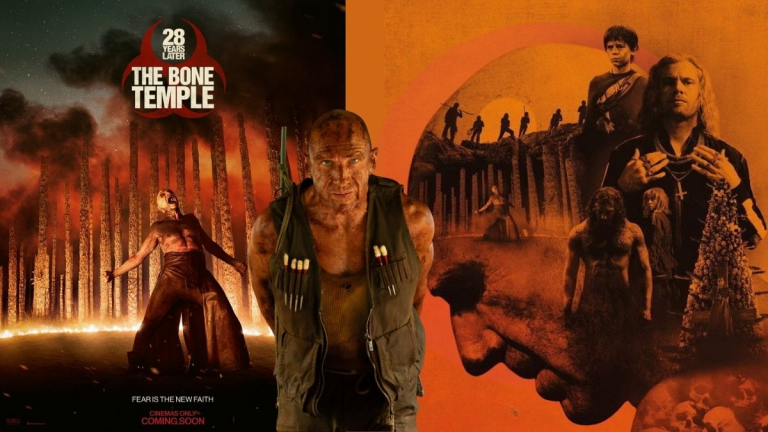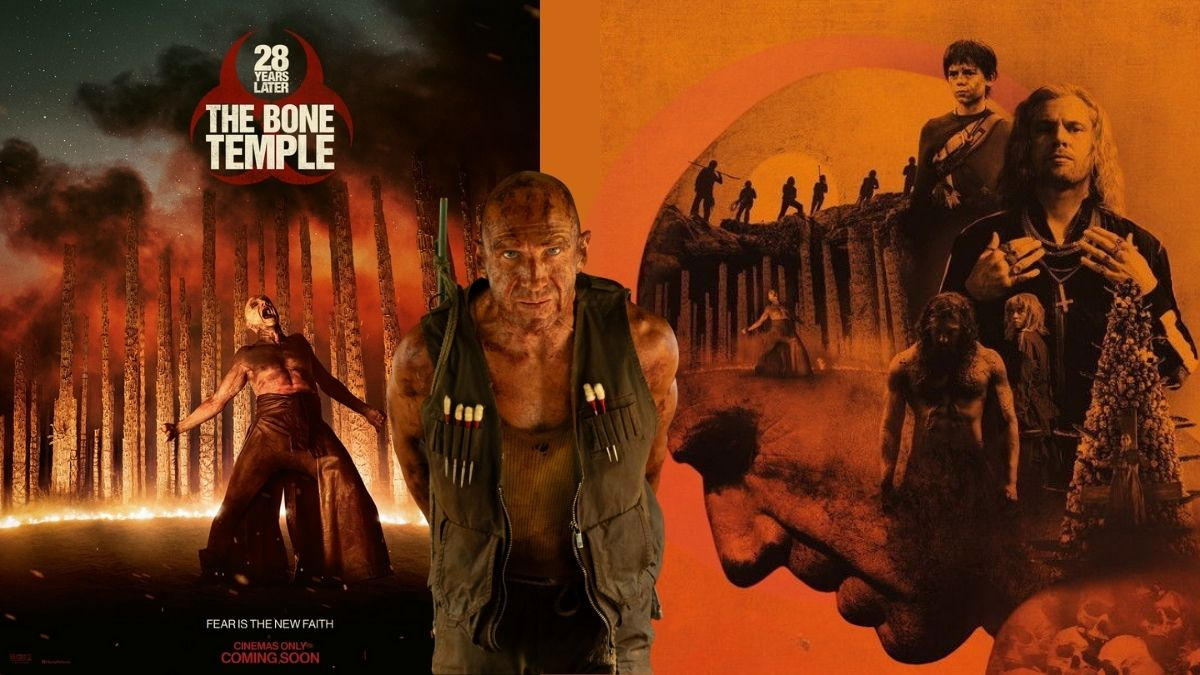

Following directly after the events of 28 Years Later, the sequel, 28 Years Later: The Bone Temple, pretty much pulls back from the infected to the crazy people who have been forced to survive in a ravaged world. Dr. Ian Kelson (Ralph Fiennes) shows a wide range of emotions as he makes contact with the Alpha (Chi Lewis-Parry). Through Kelson and Alpha’s interactions, we find vestiges of hope.
Meanwhile, Spike (Alfie Williams) has now joined the brutal group called The Fingers, led by Jimmy Crystal (Jack O’Connell). Spike’s storyline is where all the brutality and gore kicks in, as Jimmy and his gang (each member also named Jimmy), raid the surrounding camps, killing the infected with ease and torturing anyone who gets in their way.
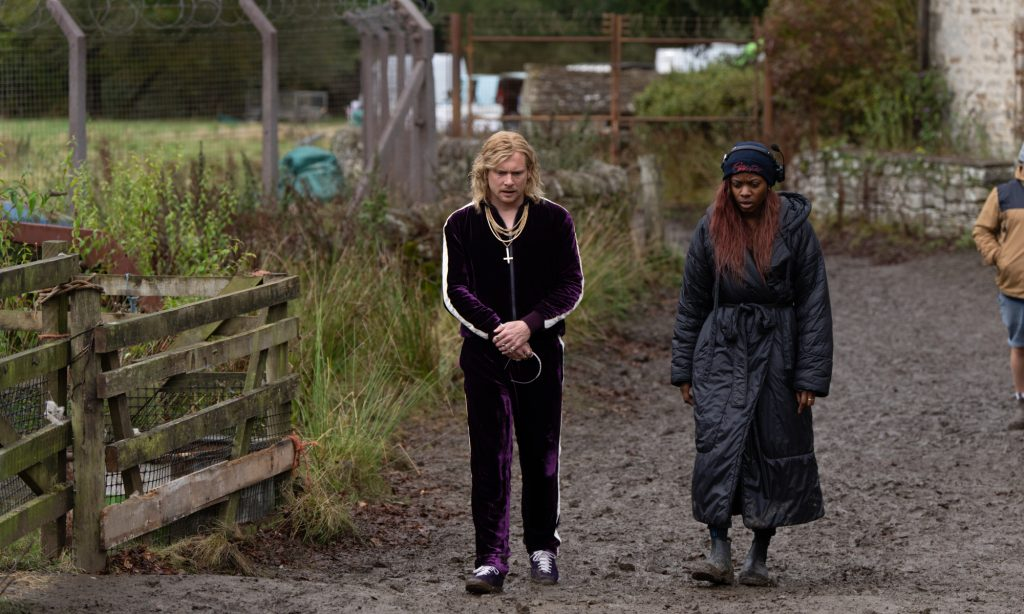
Alex Garland’s screenplay with direction by Nia DaCosta, borrows themes from the first film, 28 Days Later, to explore the dark soul of human nature when faced with an apocalyptic situation. Jimmy Crystal’s gang eat up every word of his dark gospel, claiming that the infected are creatures of Satan and that Jimmy himself is the son of all that is evil. All of Spike’s innocence and warmth is slowly dwindling under such gruesome company.
The film highlights human nature’s tendency to rule with might once all agents of order have ceased to exert their influence. There’s an allegory here that harkens to current world events, though I may be overreaching.
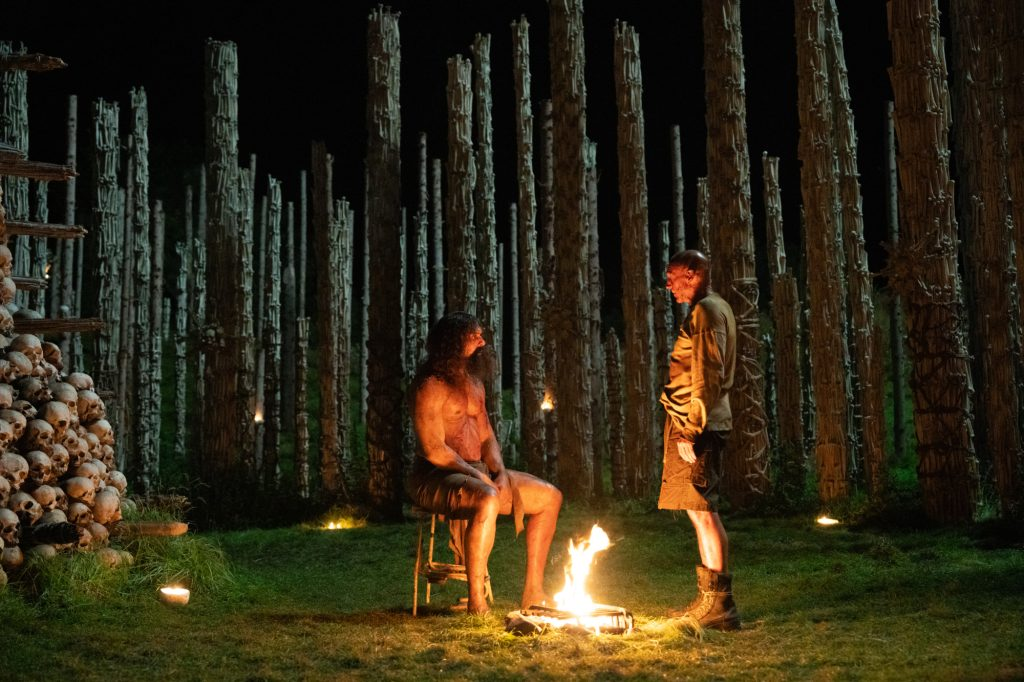
On the other hand, Kelson’s attempts to connect and communicate with Alpha brings the franchise into a whole new chapter, echoing the messages of hope of the second film, 28 Weeks Later. This half of the film is filled with tenderness and, surprisingly, moment of great humor. The dread and fear is always hang over these scenes, but Fiennes infuses Dr. Kelson with such quiet power that we trust that he can find a way to calm the rage virus.

What is incredible about this movie (and the franchise as a whole) is how it keeps us guessing. I really enjoyed 28 Years Later for its sense of duality (as I mentioned in my review), and while this film also shares that same dual tone, its messaging is very different.

While 28 Years Later is about the role of parents during times of crisis, and how the youth must come of age too early during periods of stress and constant danger, 28 Years Later: The Bone Temple dissects the duality of human nature. One path is set to destroy, remake the world in the image that they think the world has become; whereas the other clings to the things that make us human – knowledge, science, medicine, culture – and uses empathy to try and fix what is broken.
Everyone is pushing out strong performances, left and right. Erin Kellyman, one of the Jimmys who begins to question the veracity of Jimmy Crystal’s claims of being the son of Satan, is an arresting actress. Acting through the outrageous wig and the bursts of violence, she creates an almost safe space for Spike to remember what it means to be human. But make no mistake, she is very dangerous and deeply unpredictable.
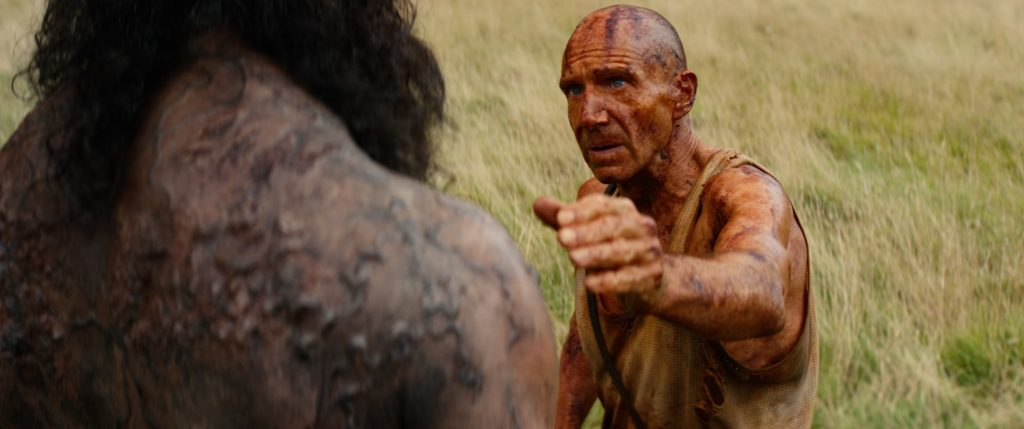
O’Connell and Williams also deliver strong performances that heighten the tension in their scenes together, with O’Connell providing both danger and charm. Lewis-Parry is a powerful presence who gets to do a lot more in this installment. But the real MVP of this film is Fiennes. We get to see more of Dr. Kelson and the kind of person that he is and was. He shifts from nurturing to little moments of whimsy that turn Dr. Kelson from an interesting character to an unforgettable one.
A follow-up to this movie is already in the works, but in all honesty, I feel that if the story ended here, it would still work. There’s a sense of finality to it that really highlights the best and worst of human nature. It’s a strong example of the genre and one that wonderfully breaks new ground.


About the Author