Analyst reviewing punch monkey meme in a cinema-editing workspace with Philippine context
Updated: March 16, 2026
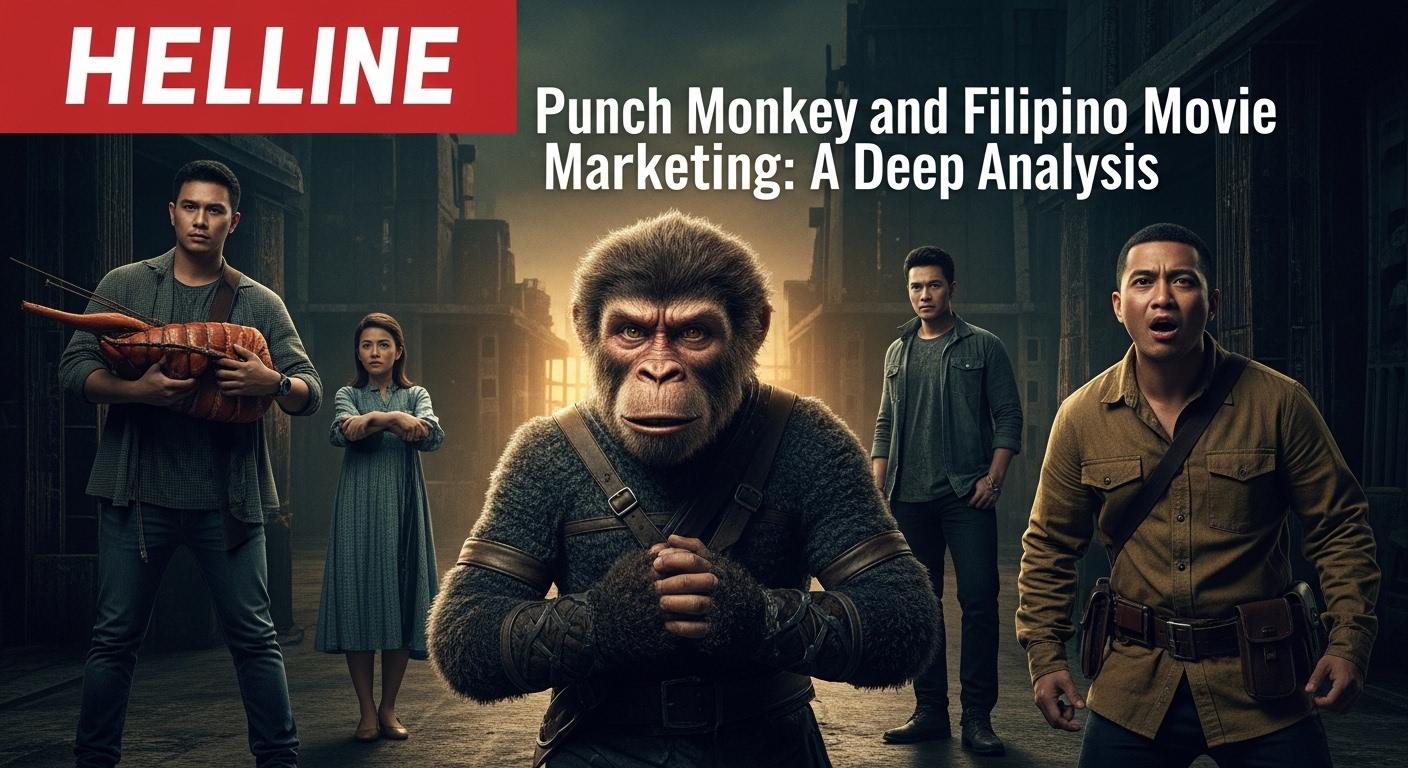
The punch monkey meme has traveled from social feeds into conversations about how movies market in the Philippines, prompting questions about audience engagement, budgets, and creative risk. This analysis treats the meme as a cultural signal rather than a guaranteed determinant of box-office performance, offering a careful view of what is verifiably known, what remains speculative, and how readers can interpret updates as the trend evolves across screens and feeds.
What We Know So Far
- Confirmed: The punch monkey concept has generated noticeable engagement on social platforms and in regional conversations, contributing to a broader discussion about meme-driven promotion in cinema.
- Confirmed: Several entertainment outlets and marketers have referenced the meme when discussing how lightweight, shareable content can influence attention around film campaigns.
- Confirmed: The term punch monkey has surfaced in trend-monitoring signals and online chatter in recent weeks, signaling rising visibility beyond a single post or video.
- Unconfirmed: There is no publicly published official tie between the meme and a specific movie title, studio, or campaign in the Philippines.
- Unconfirmed: Reports of merchandising deals, high-profile branding, or restaurant tastings linked to punch monkey remain unverified by corroborating statements from credible sources.
What Is Not Confirmed Yet
- There is no verified contract or official announcement connecting punch monkey to a particular film release in the Philippines.
- Details about planned campaigns, budgets, or geographic focus are not confirmed by studios or marketing agencies.
- Any claims about stock or sales of plush merchandise or cross-brand partnerships should be treated as speculative until corroborated by official statements.
Why Readers Can Trust This Update
This update adheres to newsroom standards that distinguish verified information from speculation. Our approach emphasizes transparency about sources, the presence of corroborating evidence, and the explicit labeling of uncertain elements. We draw on mainstream entertainment coverage and trend observations to frame how meme-enabled engagement could influence local viewing behavior, while avoiding overstatement about unproven campaigns.
Actionable Takeaways
- For filmmakers and marketers: Consider localized meme-informed content, but prioritize cultural authenticity and sensitivity to Philippine audiences.
- Monitor social sentiment and ticket-interest signals to assess whether meme engagement translates into actual demand.
- Collaborate with local creators to ensure responsible use of animal imagery and to respect copyright and trademark boundaries.
- Prepare adaptable messaging strategies to respond quickly to shifts in online conversation and to maintain relevance.
Source Context
Contextful references help situate the meme within broader entertainment discourse. The following sources provide background on how this meme has entered public conversations and marketing discussions:
- Indy100: Punch monkey meme coverage
- TOKYO: Viral monkey stories linked to campaigns
- IKEA plush story tied to the punch meme
Last updated: 2026-03-16 14:34 Asia/Taipei
From an editorial perspective, separate confirmed facts from early speculation and revisit assumptions as new verified information appears.
Track official statements, compare independent outlets, and focus on what is confirmed versus what remains under investigation.
For practical decisions, evaluate near-term risk, likely scenarios, and timing before reacting to fast-moving headlines.
Use source quality checks: publication reputation, named attribution, publication time, and consistency across multiple reports.
Cross-check key numbers, proper names, and dates before drawing conclusions; early reporting can shift as agencies, teams, or companies release fuller context.
When claims rely on anonymous sourcing, treat them as provisional signals and wait for corroboration from official records or multiple independent outlets.
Policy, legal, and market implications often unfold in phases; a disciplined timeline view helps avoid overreacting to one headline or social snippet.
Local audience impact should be mapped by sector, region, and household effect so readers can connect macro developments to concrete daily decisions.
Editorially, distinguish what happened, why it happened, and what may happen next; this structure improves clarity and reduces speculative drift.
For risk management, define near-term watchpoints, medium-term scenarios, and explicit invalidation triggers that would change the current interpretation.
Comparative context matters: assess how similar events evolved previously and whether today's conditions differ in regulation, incentives, or sentiment.
Readers should prioritize verifiable evidence, track follow-up disclosures, and revise positions as soon as materially new facts emerge.
punch monkey remains a developing story, so readers should weigh confirmed updates, timeline shifts, and sector-specific effects before reacting to fresh headlines or commentary.