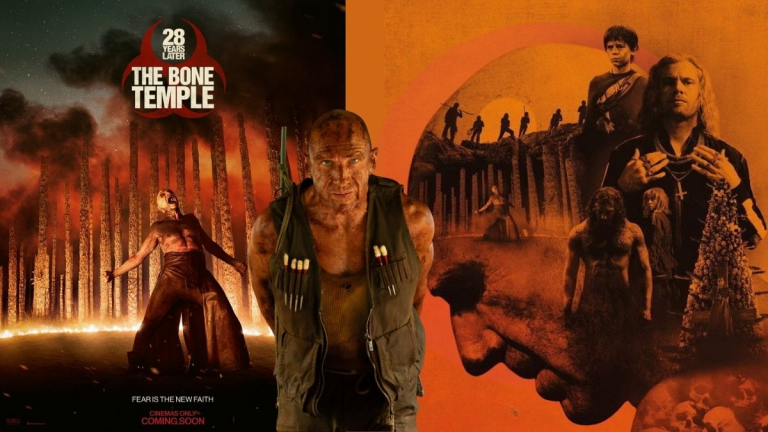
In the Philippine market, the phrase wtf Movies Philippines has emerged as a compact shorthand for the eclectic mix of global blockbusters, indie discoveries, and local productions that audiences access across devices. This analysis looks beyond top-line box office to trace how streaming catalogs, theater schedules, and wallet considerations shape what Filipino viewers decide to watch, and what this signals for creators and platforms.
Context: The Filipino audience and the ‘wtf’ moment in global cinema
The Philippines sits at an intersection where international releases arrive rapidly through streaming services while domestic productions press forward with festivals, local distribution, and community screenings. The label wtf Movies Philippines captures a recurring pattern: audiences encounter titles that defy easy categorization—films that blend genres, originate outside the usual Hollywood pipeline, or arrive with unconventional release strategies. For editors and analysts, this is less about hype and more about distribution design. When a title surfaces on a popular platform at a price point accessible on a midrange smartphone, it can redefine what counts as “watchable” for a broad segment of viewers who previously prioritized either cinema visits or basic streaming availability. This dynamic is not merely about taste; it is about how access, timing, and cultural resonance converge to shape viewing decisions in a market where data costs and device ecosystems matter as much as the film’s pedigree.
What this implies is a shift in expectations. Filipino audiences are not simply reacting to global trends; they are negotiating them through local constraints and opportunities. The result is a media ecology in which a small number of platforms—each with tiered pricing, data-saving modes, and Filipino-language options—becomes the primary gateway to a diverse catalog. In practical terms, a film’s success in this environment depends on whether it can travel from festival circuits to mobile screens without losing its connective tissue—emotion, humor, or social relevance—that makes it stick with viewers who might be watching during a commute or in a shared living space with limited bandwidth.
Economic and platform dynamics shaping Filipino movie consumption
One recurring factor is the price-and-access calculus. Filipino viewers increasingly weigh subscription costs, data consumption, and the relative time value of a title. In a market where a single data plan can be stretched to cover multiple episodes or a handful of feature films, platforms compete on how efficiently they present a catalog and how quickly they surface content that matches a viewer’s mood. This creates a demand for shorter, episodic storytelling that can be consumed in bite-sized sessions, alongside longer-form films that offer a clear value proposition to justify data-intensive viewing. The result is a hybrid consumption model: households balance cinema visits with streaming choices that are curated to minimize friction and maximize discovery.
The platform strategy matters as much as the film itself. Audiences gravitate toward interfaces that offer Filipino subtitles, local language dubs, and reliable offline viewing options. When a streaming service succeeds in delivering these features at an affordable price point, it expands the possible audience for non-mainstream titles—films that might otherwise struggle to find a national footprint. Conversely, if data caps or unclear regional pricing hinder accessibility, the same diverse catalog risks becoming a drag rather than a magnet for viewers who would otherwise sample a wider range of films.
Cultural factors and local production: leaning into genre diversity and accessibility
The Philippine film ecosystem is not a passive recipient of global shifts. Local producers, distributors, and festival organizers are actively shaping how international formats translate into Filipino cultural currency. The appeal of romance, action-comedy, horror, and socially resonant dramas persists, but the path to audience engagement increasingly favors titles that can be understood through a Filipino lens—whether through relatable settings, language accessibility, or timely social contextualization. Films that blend universal themes with local color—settings like neighborhoods in Manila or provincial towns, or stories rooted in everyday life—tend to perform better because they offer a dual sense of familiarity and novelty. This does not mean niche projects can survive on sentiment alone; rather, it signals that successful projects are those that can travel across platforms while retaining a strong sense of place. The result is a more vibrant, eclectic catalog that invites viewers to compare experiences—from a festival favorite to a widely released streaming pick—without losing track of what makes Filipino storytelling distinctive.
For distributors and festival programmers, that means prioritizing accessibility without diluting authenticity. Subtitles and voice options should reflect the country’s linguistic diversity, while marketing materials emphasize relatable context rather than purely universal appeal. The payoff is a viewing culture that treats global cinema as a resource rather than a rival, enabling cross-pollination that fuels local talent and expands the country’s cultural footprint beyond traditional gatekeepers.
Policy, piracy, and the risk landscape
The regulatory environment and the digital protection regime influence how films reach Philippine audiences. Intellectual property enforcement, local licensing practices, and support for domestic production networks all shape the availability and affordability of content. Piracy remains a challenge in some pockets of the market, complicating the commercial calculus for both international distributors and local rights holders. A mature approach combines transparent licensing practices, consumer protection around pricing and data usage, and investment in local content development that leverages the country’s creative talent. In practical terms, policymakers and industry bodies should reinforce a framework that rewards both global access and local storytelling, ensuring that the ecosystem remains sustainable for filmmakers, platforms, and audiences alike.
Actionable Takeaways
- For studios and distributors: optimize catalog presentation for mobile-first viewing, with flexible pricing tiers and local-language options to maximize accessibility and discovery among Filipino audiences.
- For platforms: invest in offline viewing capabilities and data-saving features to reduce barriers for viewers on limited connections, while streamlining recommendation systems with culturally resonant prompts.
- For filmmakers and producers: pursue stories with universal themes anchored in Filipino settings, ensuring subtitles and dubbing are high quality to broaden reach without sacrificing nuance.
- For policymakers: foster partnerships with local film bodies to support affordable access models and protect creators’ rights while encouraging responsible distribution across regional markets.
- For educators and media literacy advocates: incorporate case studies on how streaming economics shapes content choices, helping audiences understand the incentives behind what they watch.